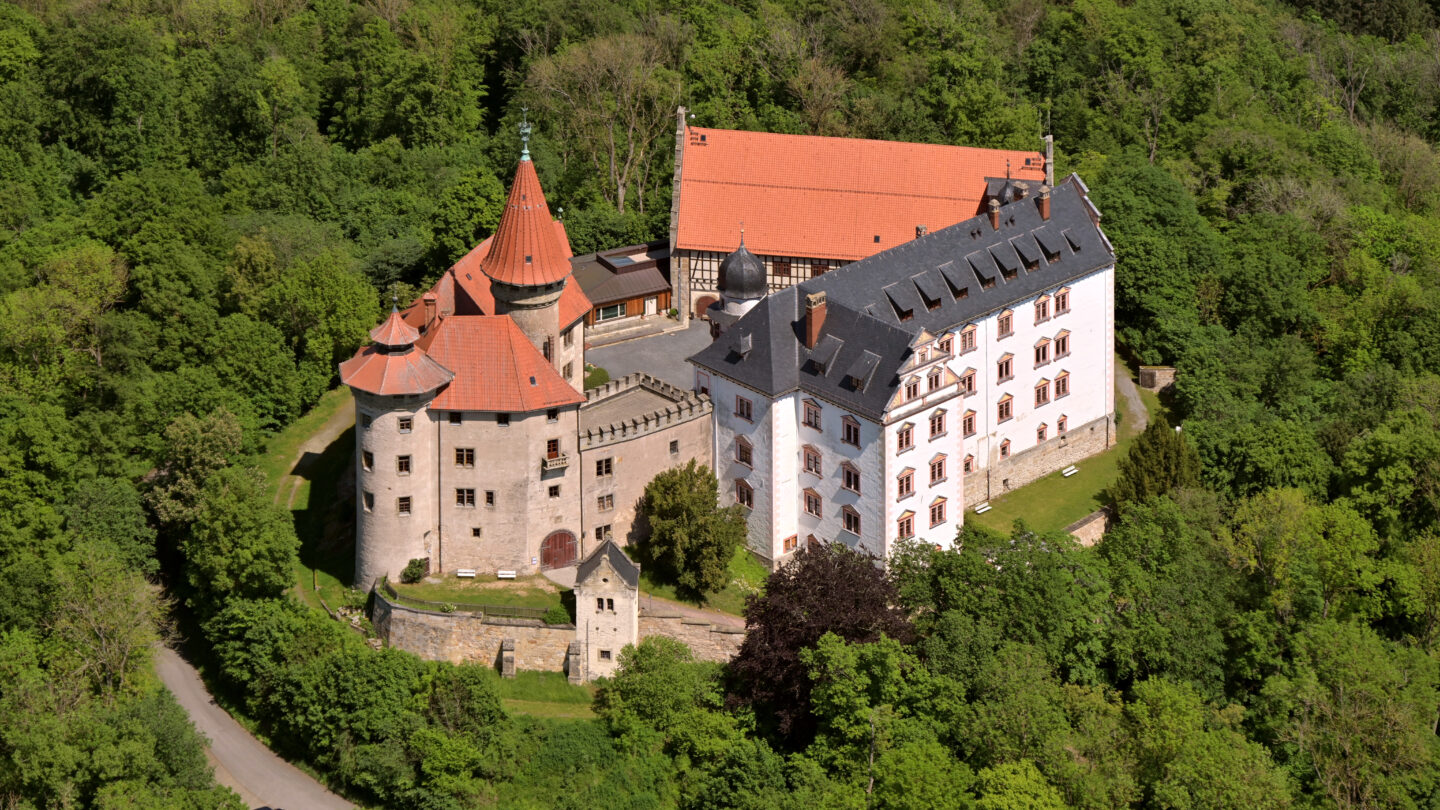
He directed productions, designed costumes and stage sets, wrote treatises on director’s theatre, and restored the Meiningen Court Orchestra to new glory. Georg II, Duke of Saxe‑Meiningen, became famous as the “Theatre Duke” and entered the history books. Influenced by the palace romanticism of the 19th century, he realised his romantic vision of a fairy‑tale palace at Heldburg Castle. However, in a major fire in 1982, much of the precious interior was destroyed. Today, the German Palace Museum invites visitors to explore the collection.
At a glance
Address
German Castle Museum
Burgstraße 1 | Veste Heldburg
98663 Bad Colberg-Heldburg Website
German Castle Museum April to October: Tue – Sun 10 am – 5 pm
Nov, Dec, March: Tue–Sun 10 am–4 pm
Jan/Feb: Sat and Sun 10 am–4 pm
Closed on 24, 25 and 31 December; open on public holidays in Thuringia
Last admission 30 minutes before closing time
Special exhibition on the life and work of George II
To mark the 200th anniversary of the birth of Georg II of Saxe-Meiningen (1826–1914), the German Castle Museum is staging a special exhibition at Veste Heldburg on the life and work of the ‘Theatre Duke’. Discover how, from 1874 onwards, his visionary renovations gave the Veste its distinctive character that remains to this day – from the impressive architecture to the intricately designed interiors and gardens.
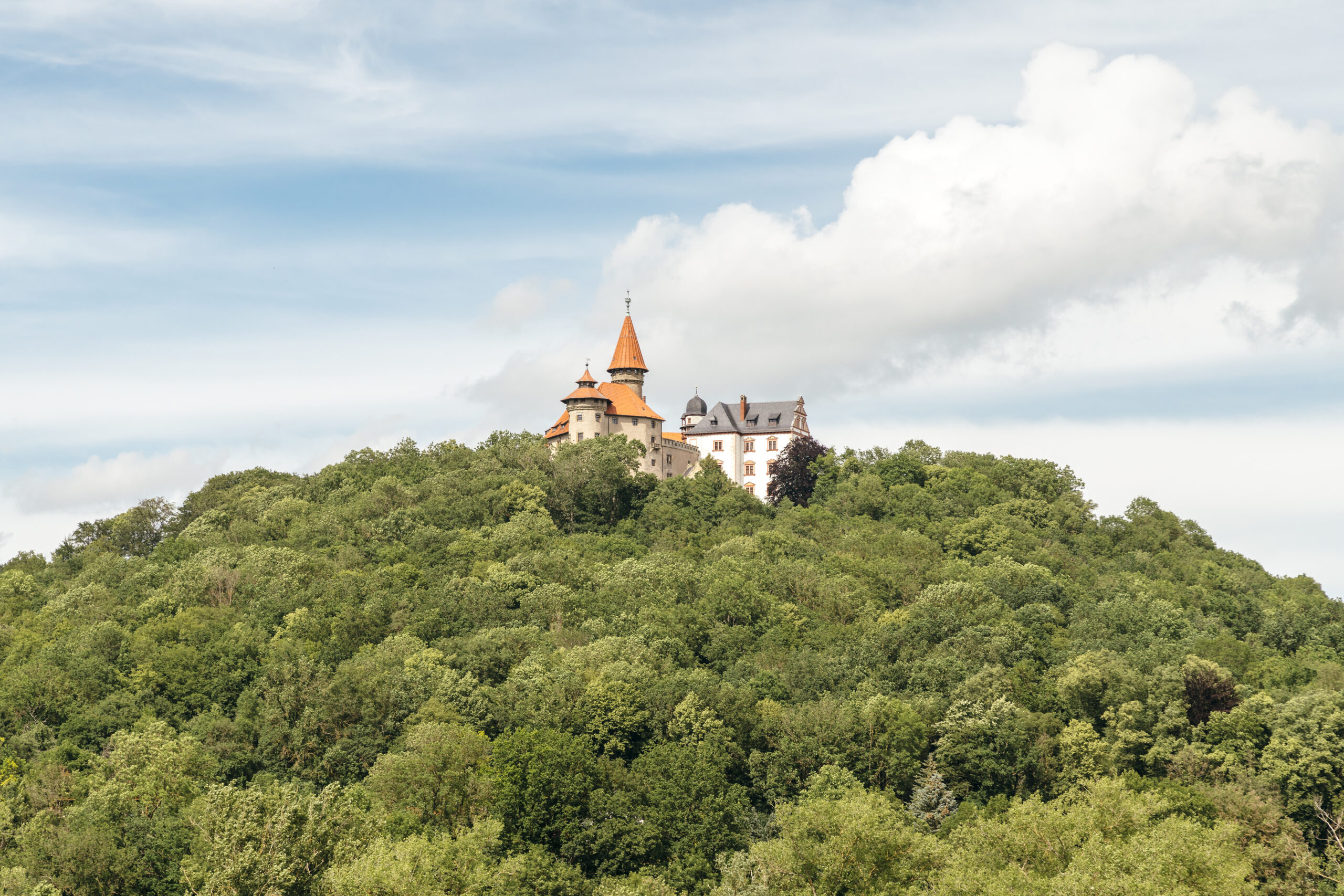
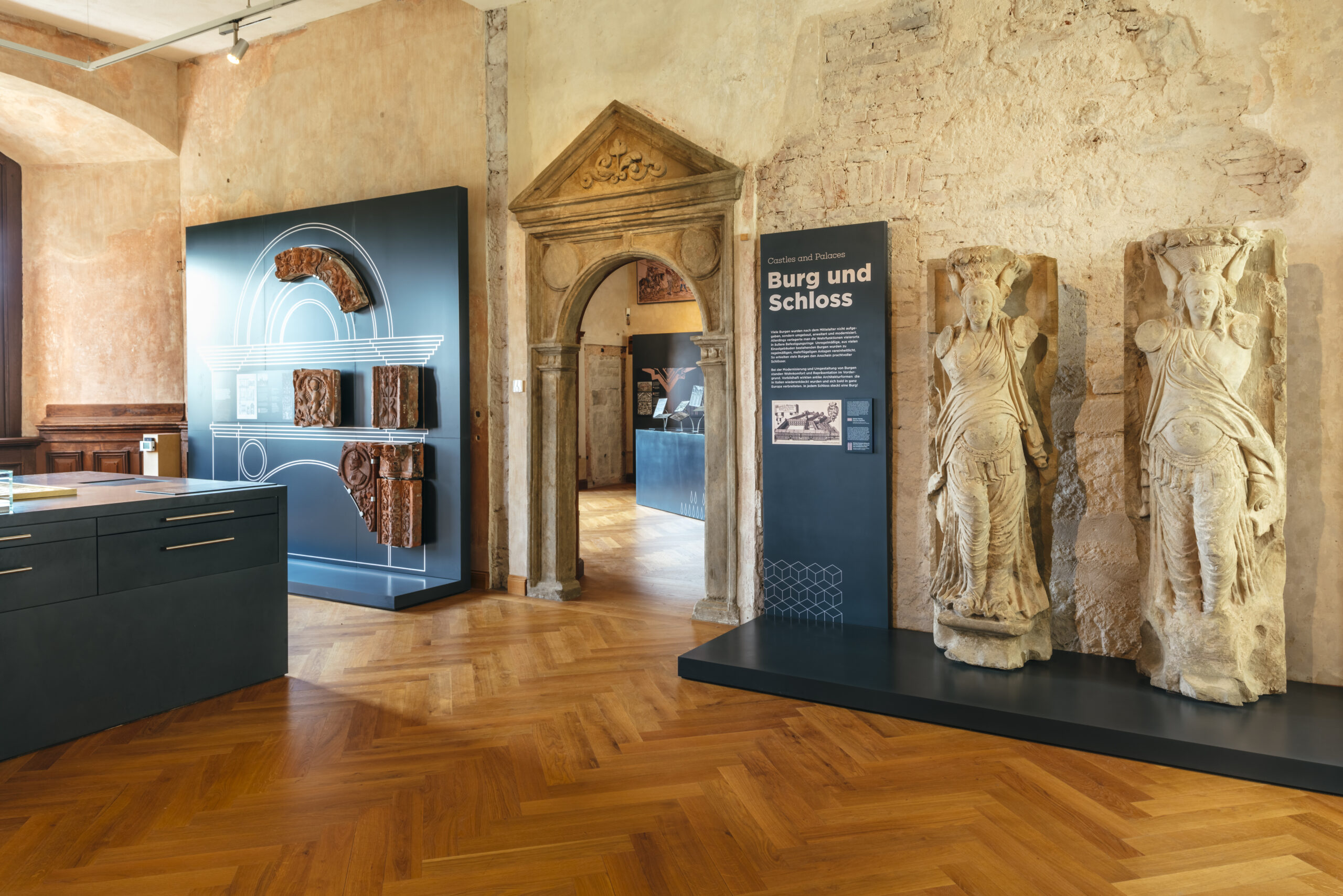
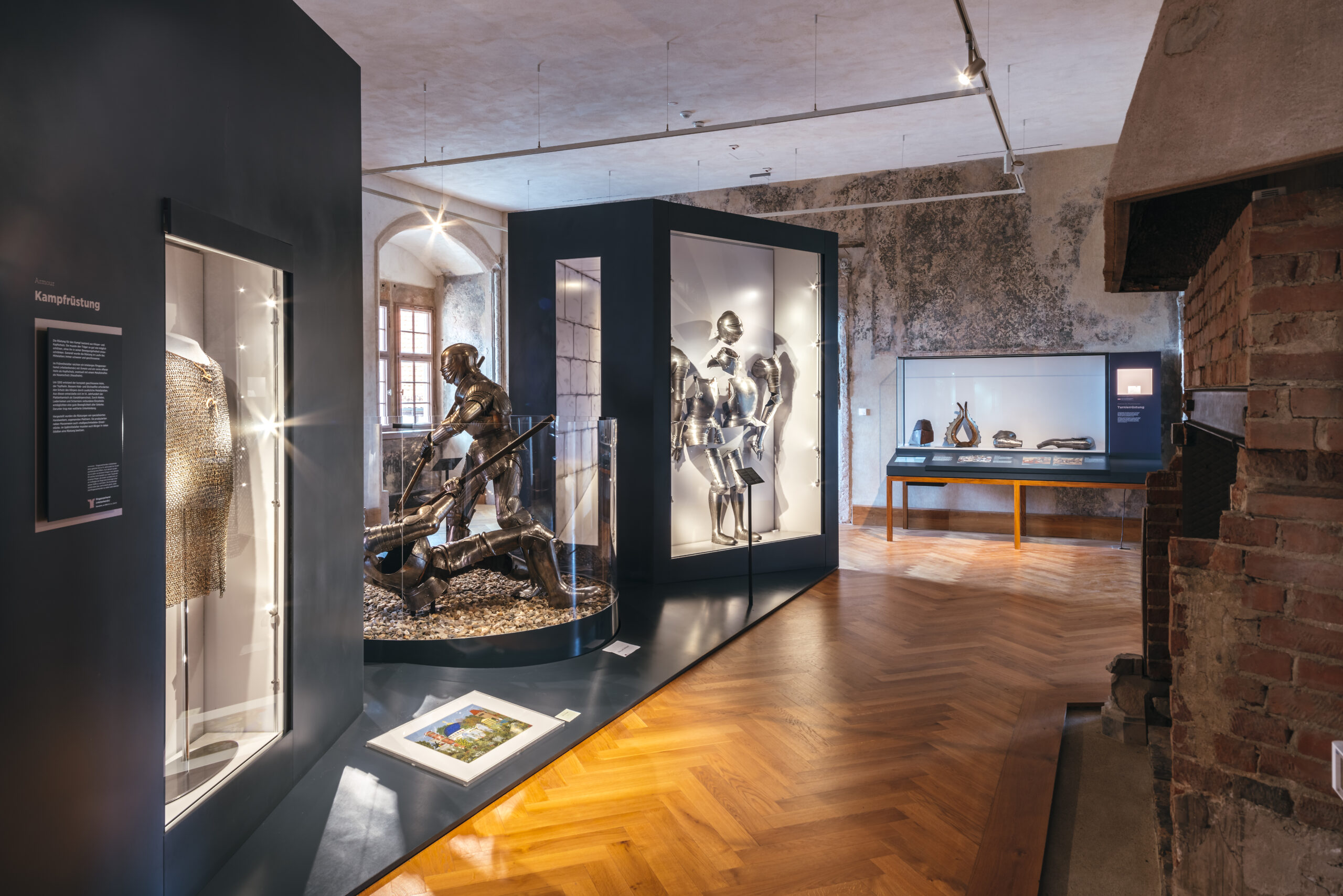
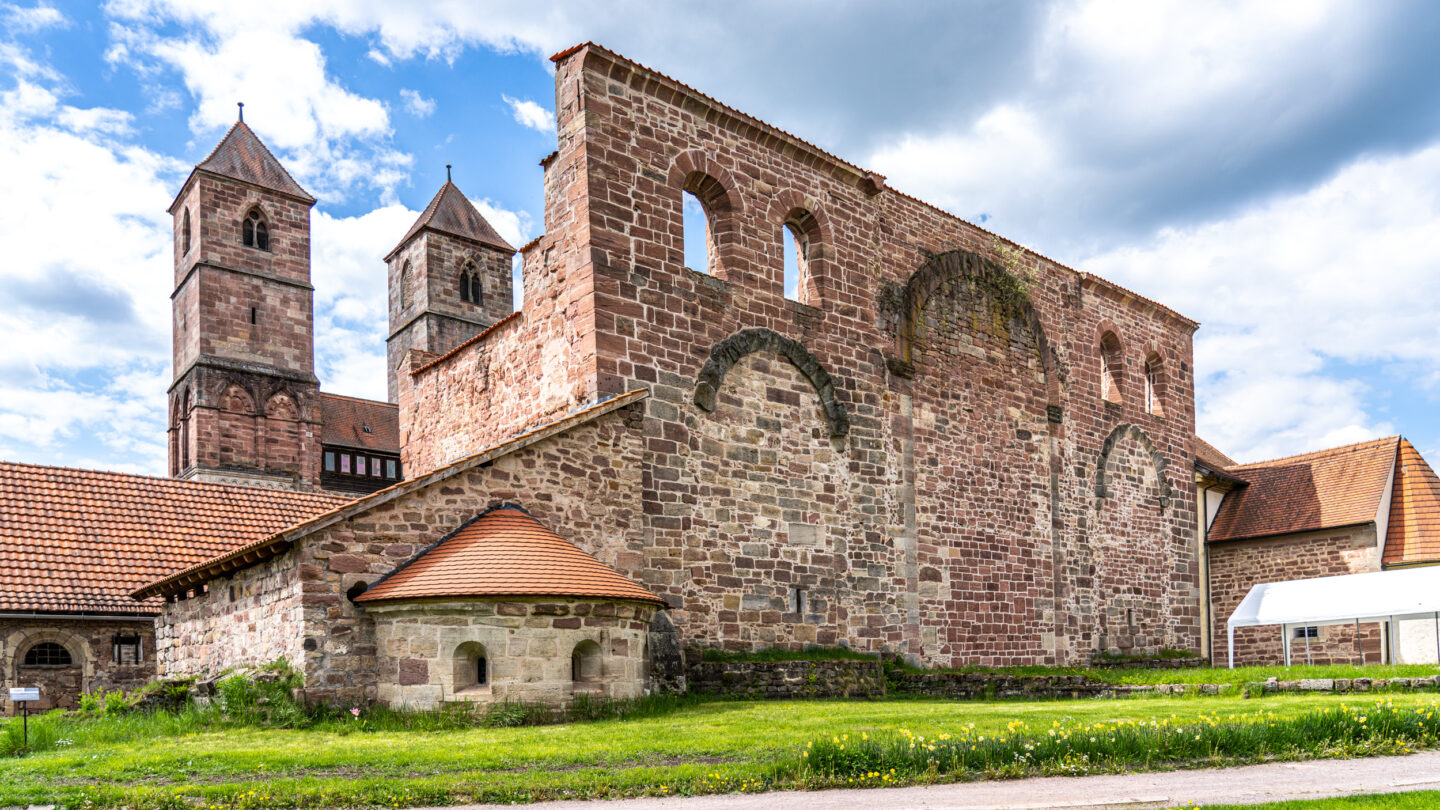
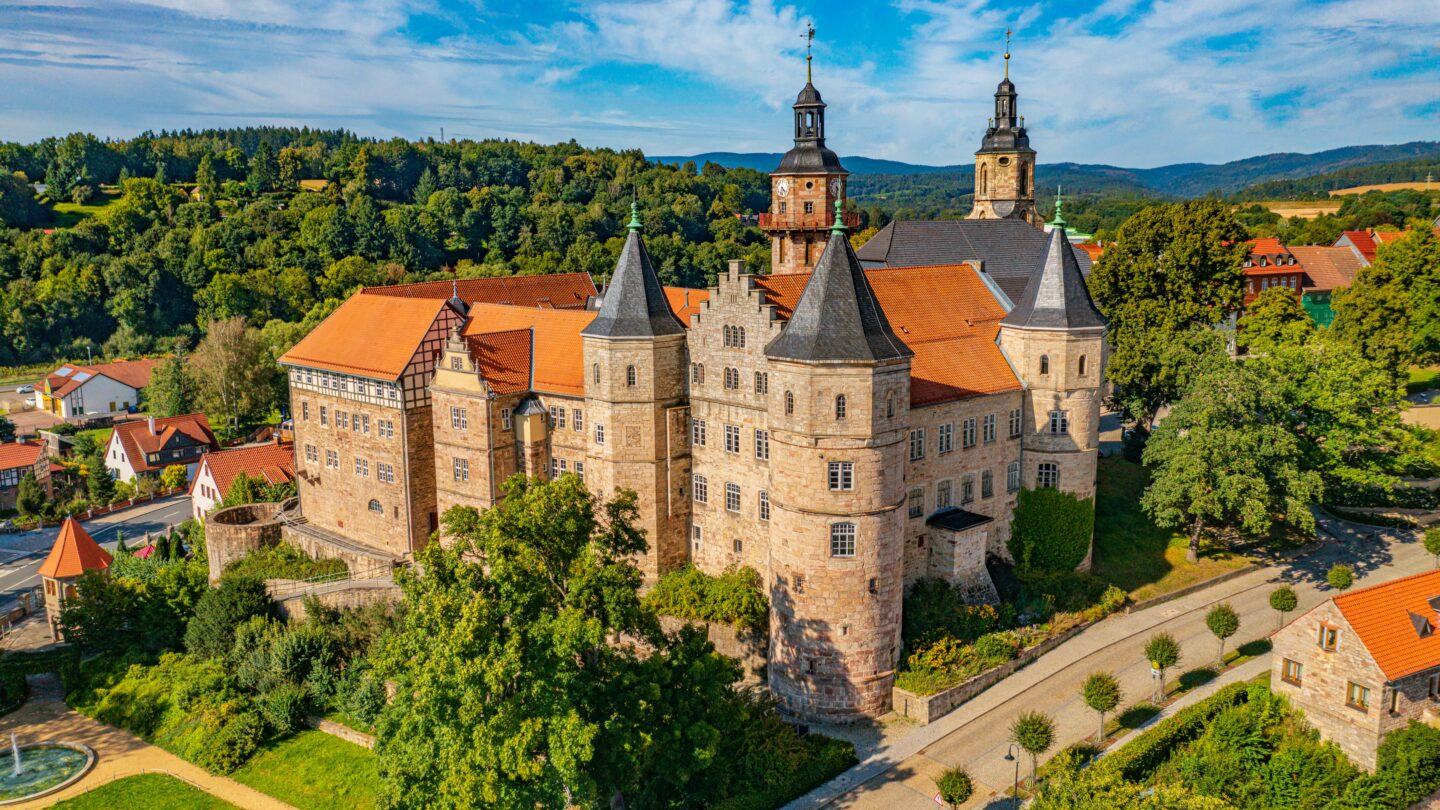
In his will, Duke Georg II of Saxe‑Meiningen (1826–1914) expressed the wish that “this palace should remain in its present condition even in the distant future and serve, for the benefit of the town of Heldburg and the surrounding area, as an attraction for visitors from afar (…)”. This wish very nearly came to nothing, for in 1982 a fire destroyed large parts of Heldburg Fortress. After extensive restoration work, the commanding hilltop complex once again presents itself in all its former glory – and now houses the German Palace Museum, where fascinating insights are offered into the function, development, and use of palaces in the German‑speaking world, illustrated by authentic artefacts. Architectural components and tools, as well as weapons and armour, furniture, and even toys, shed light on various aspects of palace life. The epithet “Franconian Beacon” is owed to its location in southern Thuringia, for until the 18th century the region was counted as part of what is today neighbouring Franconia. The palace itself served as an important watch post for Coburg Fortress, with which it had a direct line of sight. At night, the two palaces communicated using blazing fire baskets visible from afar.
A Renaissance Master Builder at Work
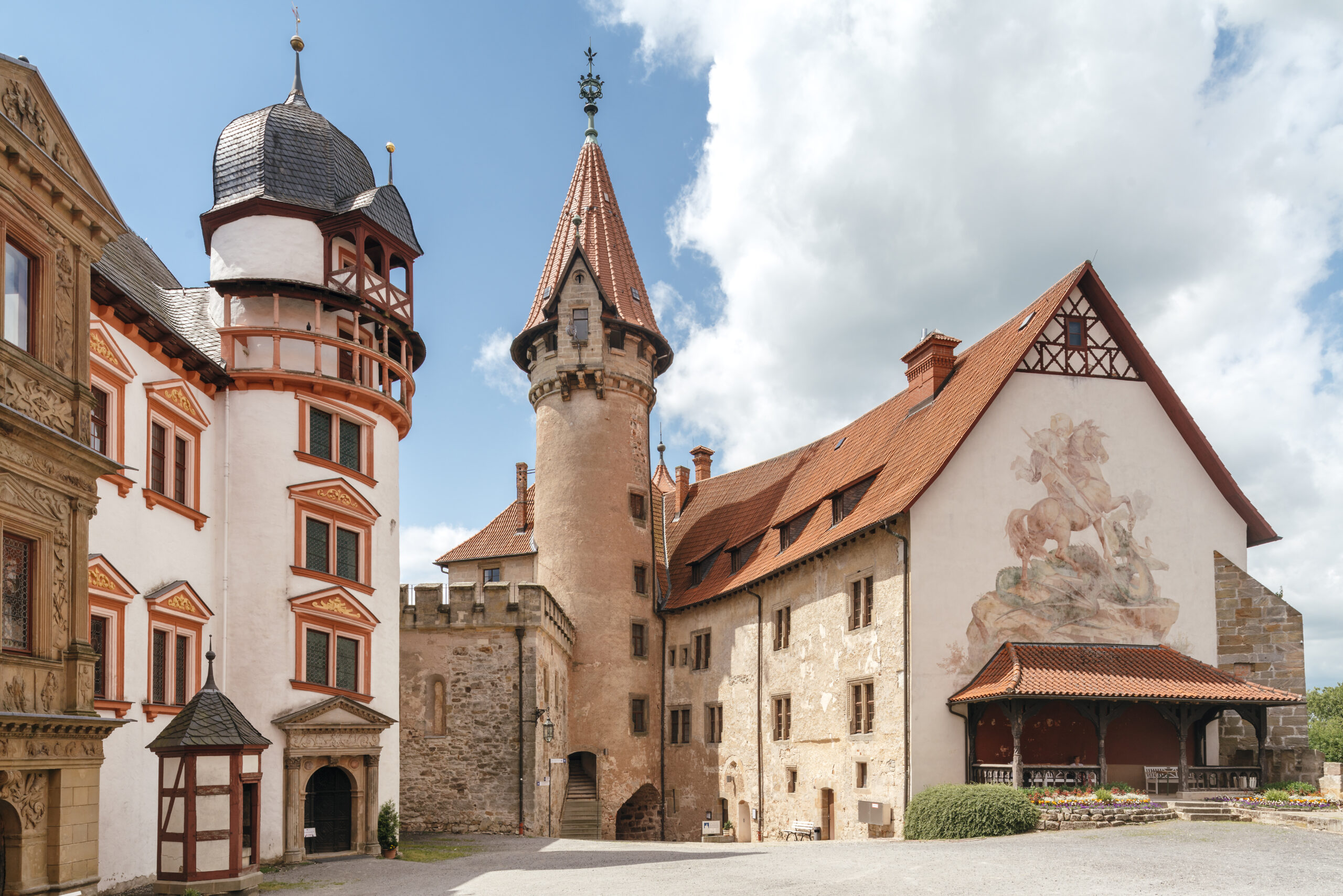
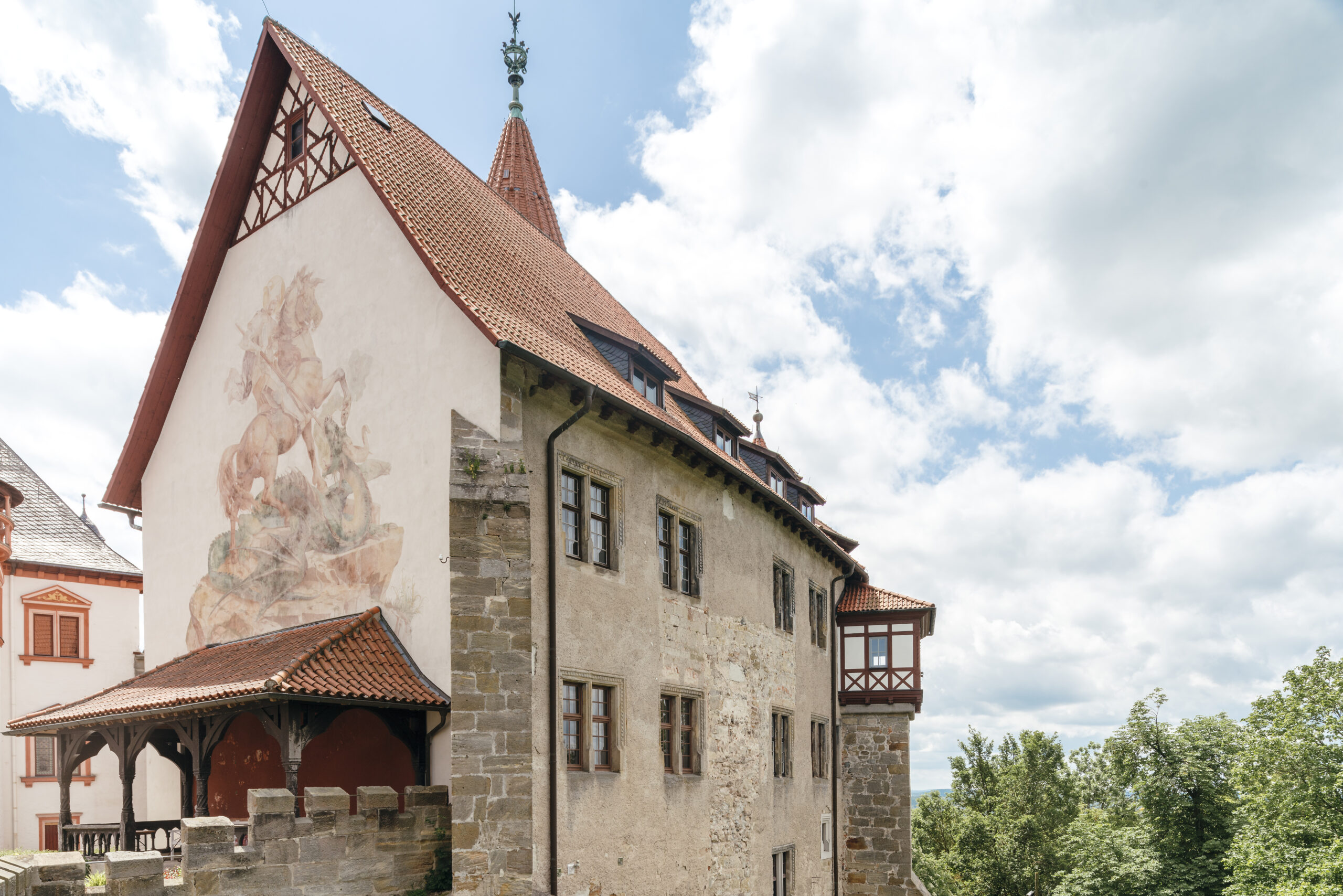
Heldburg Fortress took on much of its present appearance in the 16th and 19th centuries, though its history reaches much further back, probably to the 12th century. The Renaissance master builder Nikolaus Gromann had a decisive influence on the design of the complex. It is to his credit that the medieval palace was transformed into a representative ensemble of outstanding art‑historical significance. He did not simply demolish what had been handed down, but integrated it skilfully into the new building project. The Französischer Bau (French Wing), constructed from 1560 onwards, remains the architectural highlight of the palace today.
Heldburg Fortress, French Wing, German Castle Museum
A Romantic Dream of a Fairy‑tale Palace
Over time, however, Heldburg Fortress gradually lost its importance and, from 1783 onwards, fell increasingly into decay. Nearly 100 years later, life was to return to the stately complex. Georg II of Saxe‑Meiningen, remembered as the “Theatre Duke”, had acquired the palace – and subsequently transformed it into a mountain‑top retreat dedicated to the arts, his refuge and preferred residence. In 1891, the Duke’s wife sent her brother greetings from Heldburg Fortress, “where it is so wonderfully peaceful and quiet.” The Duke himself, inspired by the palace romanticism of the 19th century, initiated various changes to its appearance. He proceeded with remarkable care and expertise. The Hexenturm (Witch Tower) and, in particular, the Hausmannsturm (Gatehouse Tower) were heightened, creating a new silhouette that continues to shape the palace’s distant impression to this day. The duke paid particular attention to remodelling the Französischer Bau, where the Beletage, Great Hall, and private chambers were made more comfortable.