Hunting Lodge, Administrative Building, Tithe Barn, Herb Garden
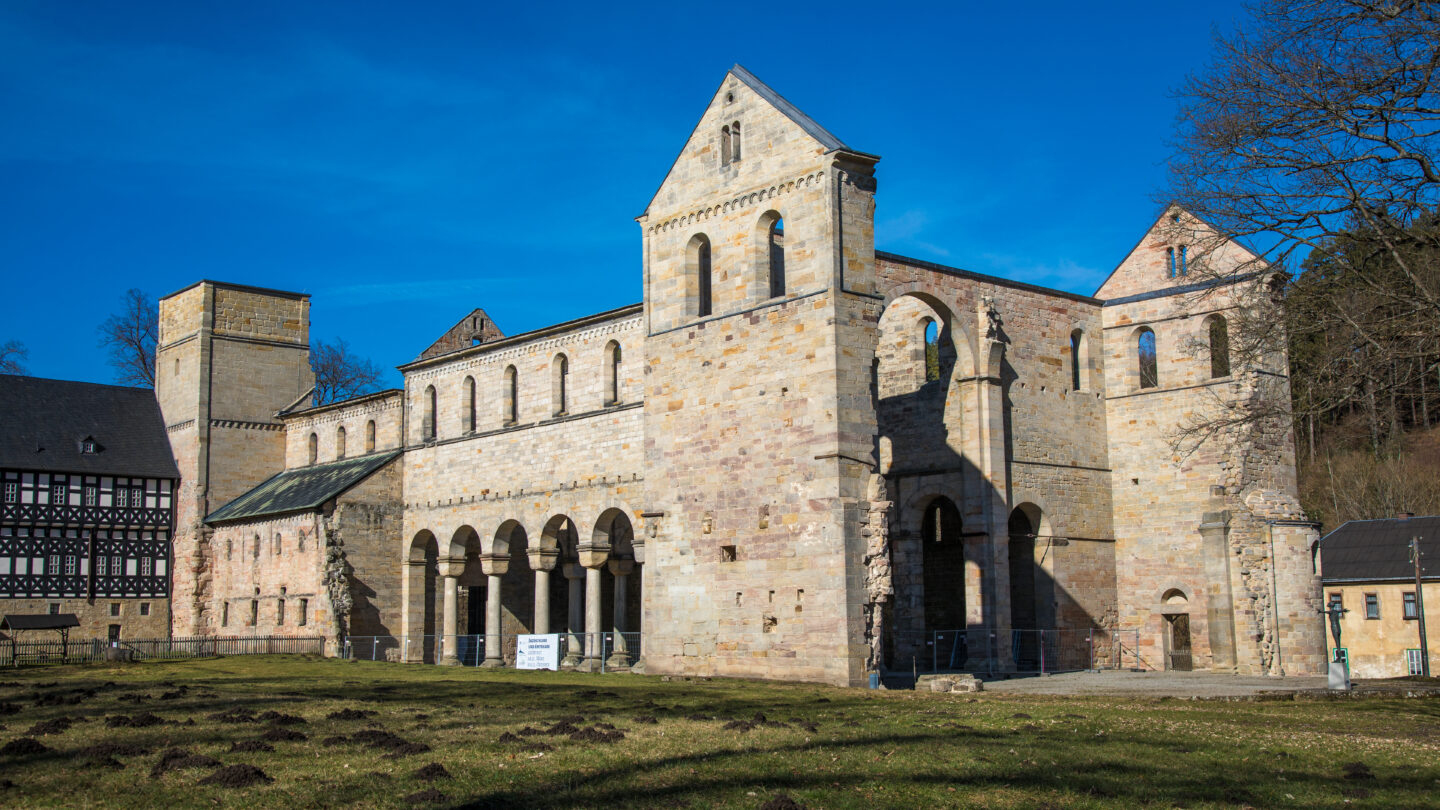
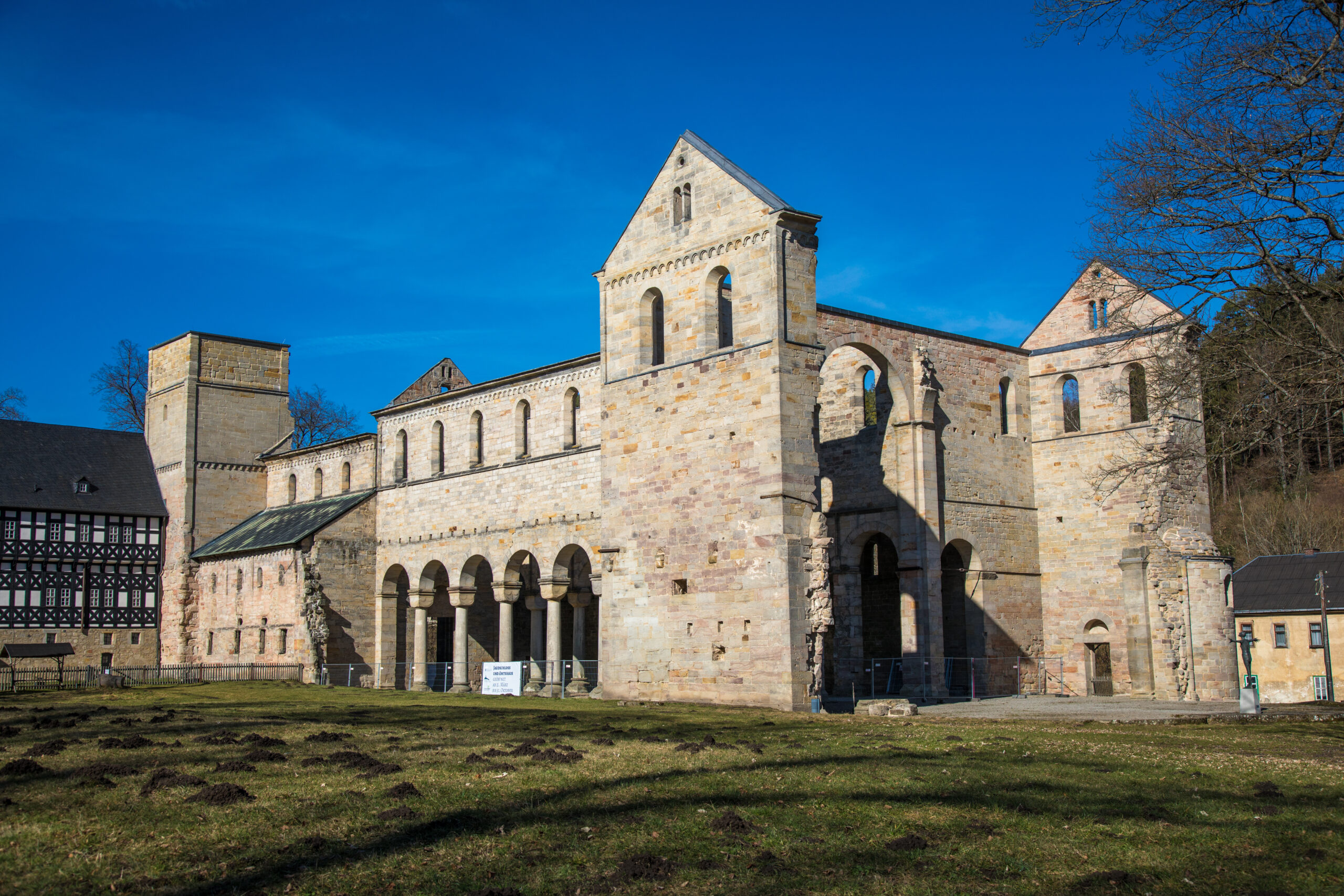
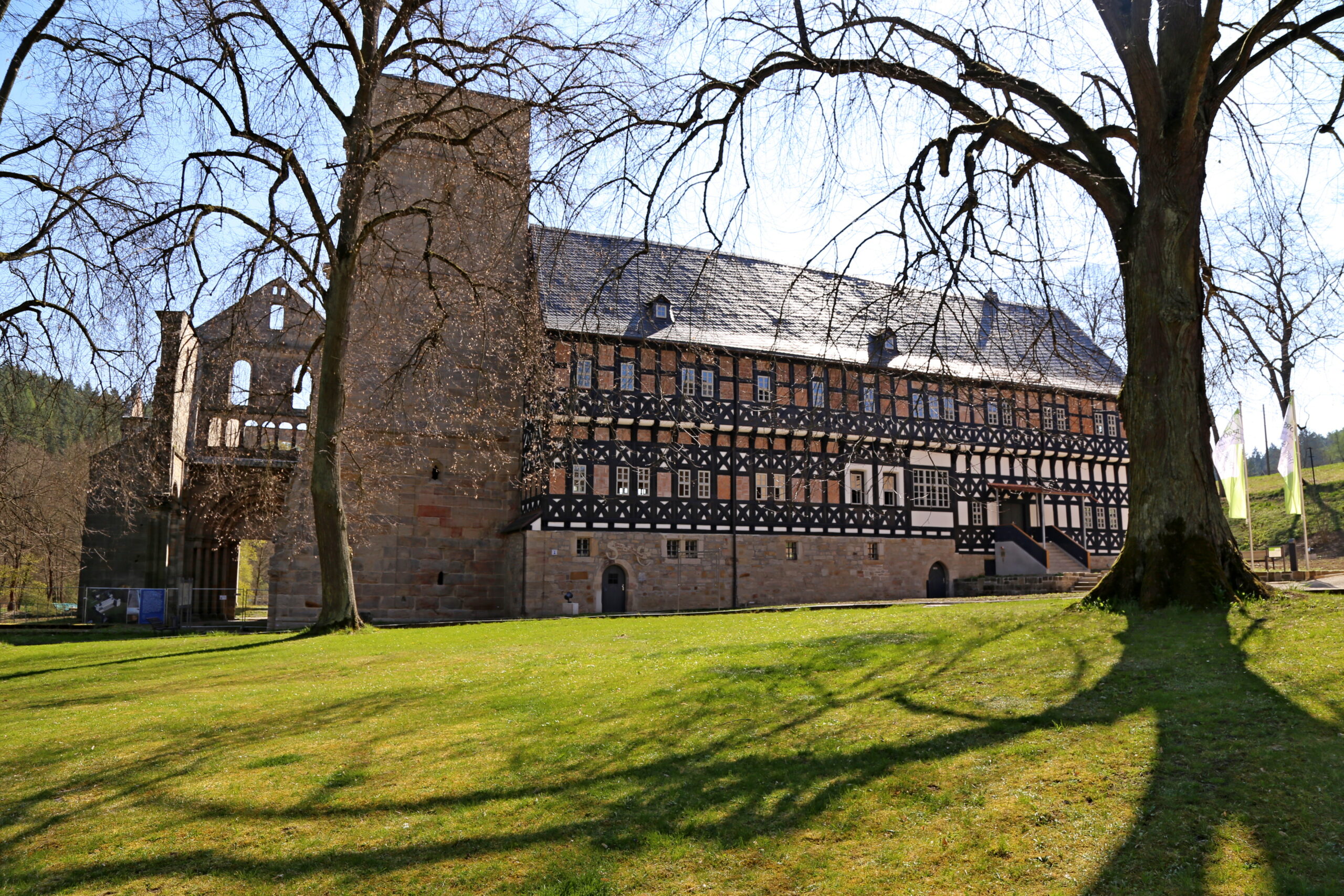
In his diary of 1817, Johann Wolfgang von Goethe noted that, some forty years earlier, he had “travelled across Thuringia by carriage, horse, and on foot”, yet had never been to Paulinzella. Even in Goethe’s day, however, the monastery ruins in the Rottenbach Valley were a worthwhile destination. Paulinzella Monastery ranks among the most important Romanesque sacred buildings in central Germany. The monastic church dates from the 12th century but survives only as a ruin. The former administrative building and the hunting lodge of the Counts of Schwarzburg now house a museum devoted to the history of the monastery and forestry.
At a glance
Address
Museum of Monastic, Forestry and Hunting History at the Amtshaus Hunting Lodge
Paulinzella 3
07426 Königsee
Tel: 036739 – 3 11 43 Email Website
Opening hours
Museum with exhibition
“544 Years – Wood Through the Ages” March to October
Wed – Sun 10 am – 5 pm
Tickets available only at the hunting lodge
last admission 4.30 pm
Park, herb garden
Outdoor grounds freely accessible all year round
The Mysterious Founder
Her name was Paulina, and she is said to have been a Saxon noblewoman. Beyond that, little is known of her. What is recorded is that, as a widow around 1102, she moved with several women into the Thuringian Forest, where she lived as a hermit before founding the double monastery of Marienzelle shortly thereafter. The male section of the convent was staffed by Benedictine monks from Hirsau Abbey, whilst Paulina and other noblewomen lived in the female section. In 1106, Paulina obtained papal authorisation to found the monastery. The building of the church commenced during her lifetime, but she did not live to see its completion; she died in 1107. Some years later, her remains were interred in the monastic church. From that point, the name “Paulinzella” gradually supplanted the original name “Marienzelle”. From the mid‑14th century onwards, the site was run exclusively as a men’s monastery.
In the Tradition of the Hirsau School
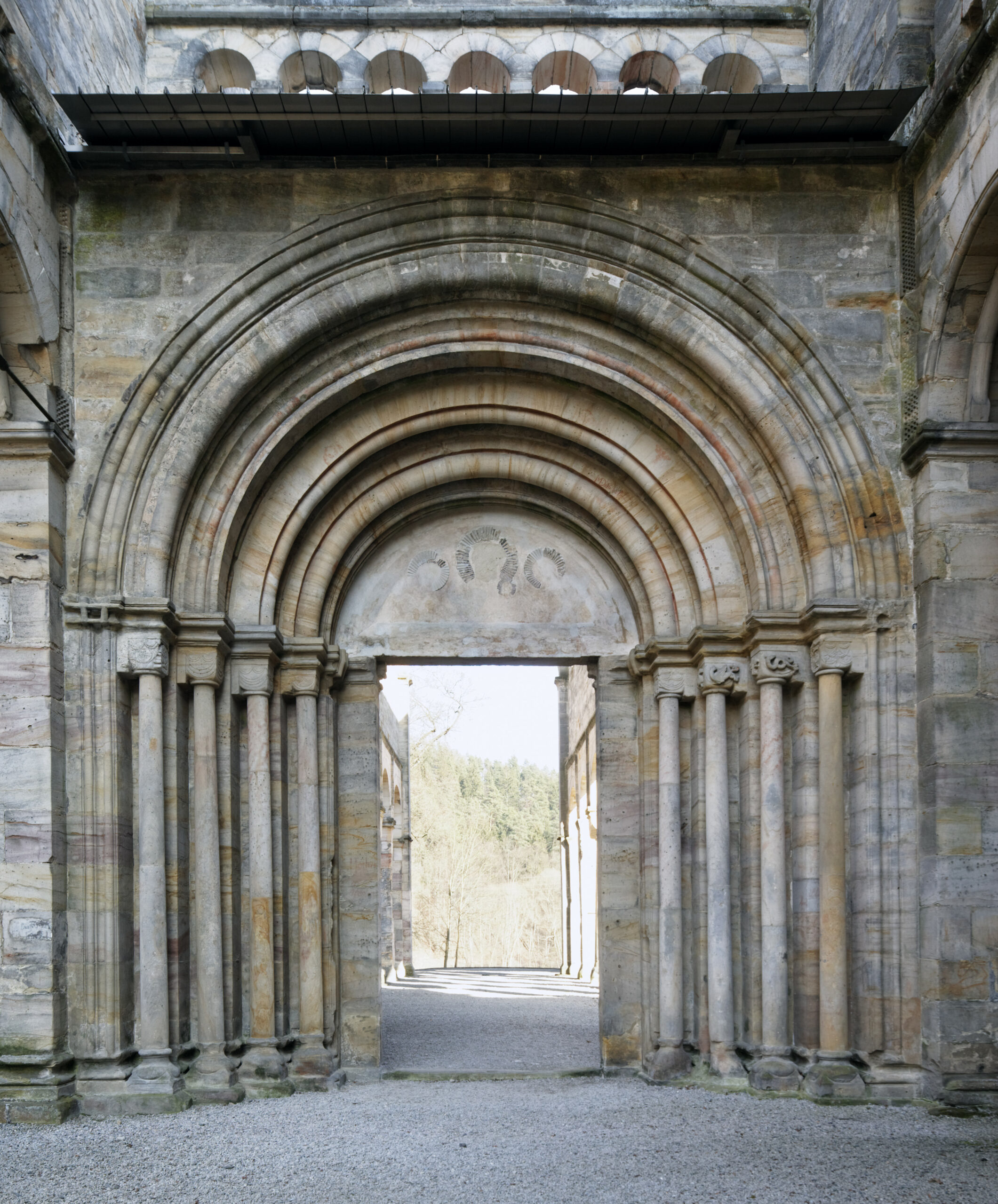
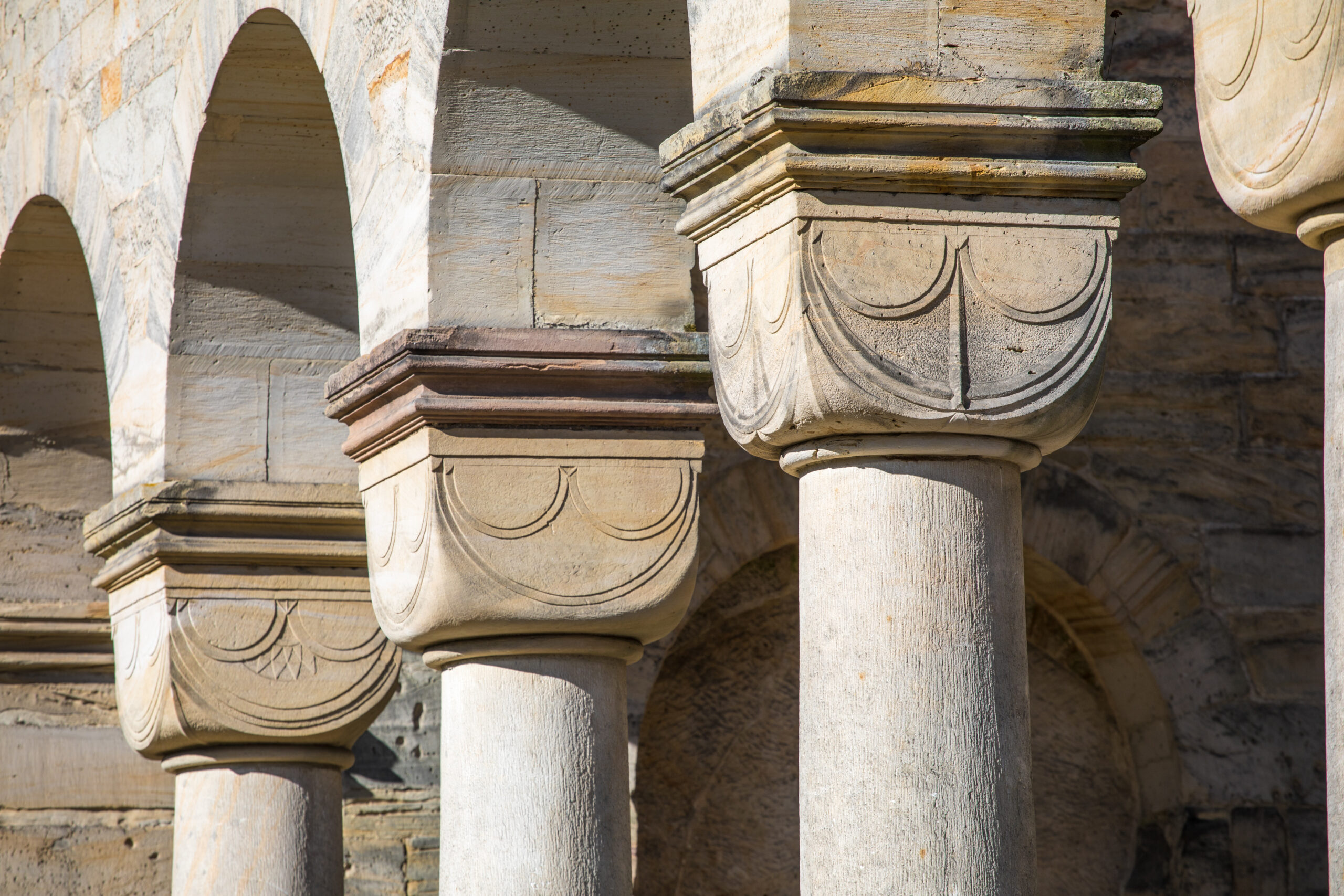
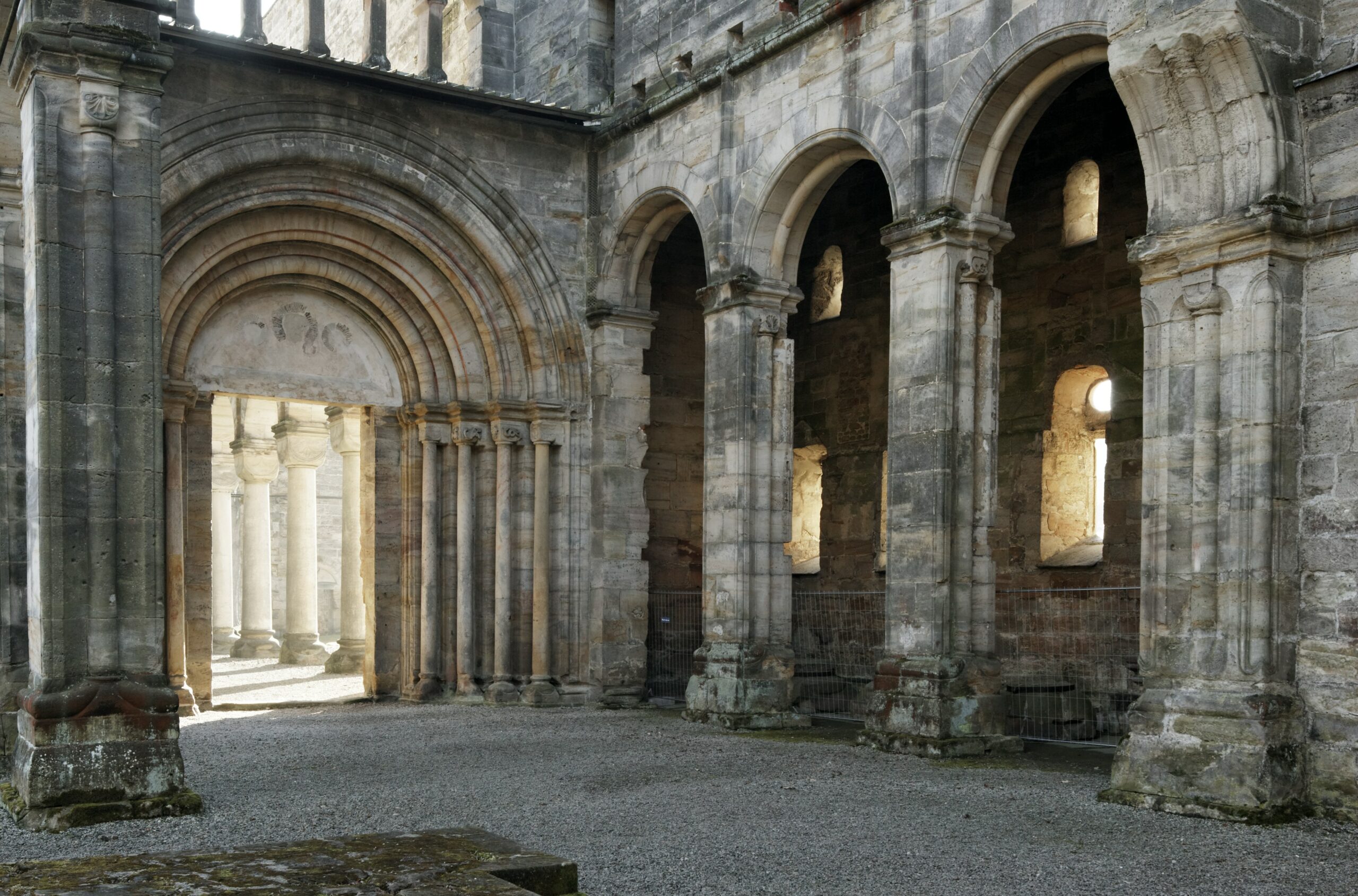
In its architecture, the once imposing monastery church followed the principles of the Hirsau School. The three‑aisled columned basilica was built without a crypt but with a chorus maior for the monks in major orders and a chorus minor for the lay brothers. Today, only a ruin remains, yet it is no less impressive. Particularly remarkable is the colonnade of the former nave, with its characteristic cube capitals. In 1600, a lightning strike caused the monastery to burn down completely. The church, left in ruins, was partially demolished, and in 1718 plans were even made for its total removal. Fortunately, this never came to pass. Instead, towards the end of the 18th century, amid the Romantic Movement, interest in the medieval monument revived. “It is truly beautiful, and the most beautiful Christian ruin of architecture I have ever come across… One really lacks something essential if one has not seen it,” wrote Wilhelm von Humboldt in September 1810 after visiting Paulinzella.
From Monastery to Hunting Lodge
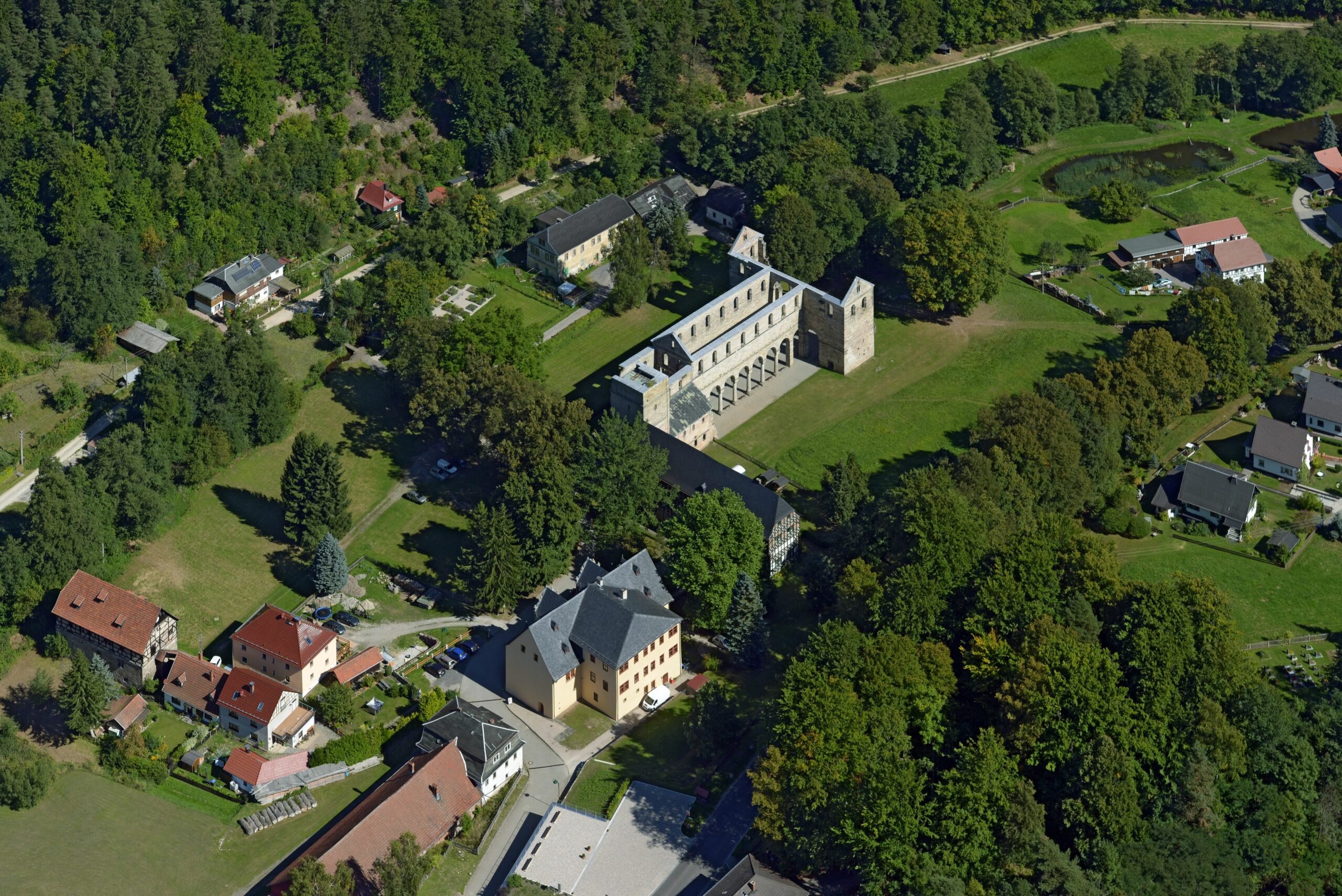
After the Reformation, the monastery was dissolved and passed into the hands of the Counts of Schwarzburg. They converted the site into a domain, established a large administrative building, and transformed one of the old monastery buildings into a hunting lodge. This two‑storey Renaissance structure is the newest building on the former monastic site, distinguished by its two large dormers with curved gables. The oldest surviving structure, by contrast, is the so‑called Tithe Barn, whose origins date back to the 12th century. During the domain era, it served as a storehouse for the rents in kind from which it takes its name.
Today, the hunting lodge houses an exhibition on the history of the monastery, hunting, and forestry, while the administrative building presents “544 Years – The Life of Wood”. The monastery site itself is open to visitors throughout the year. A lapidarium (collection of works in stone) is also being created, which will display, among other pieces, column fragments and other original architectural sculpture.