Opening hours
Palace Museum
all year round, Tue–Sun 10 am–6 pm
Palace Park
open to the public all year round

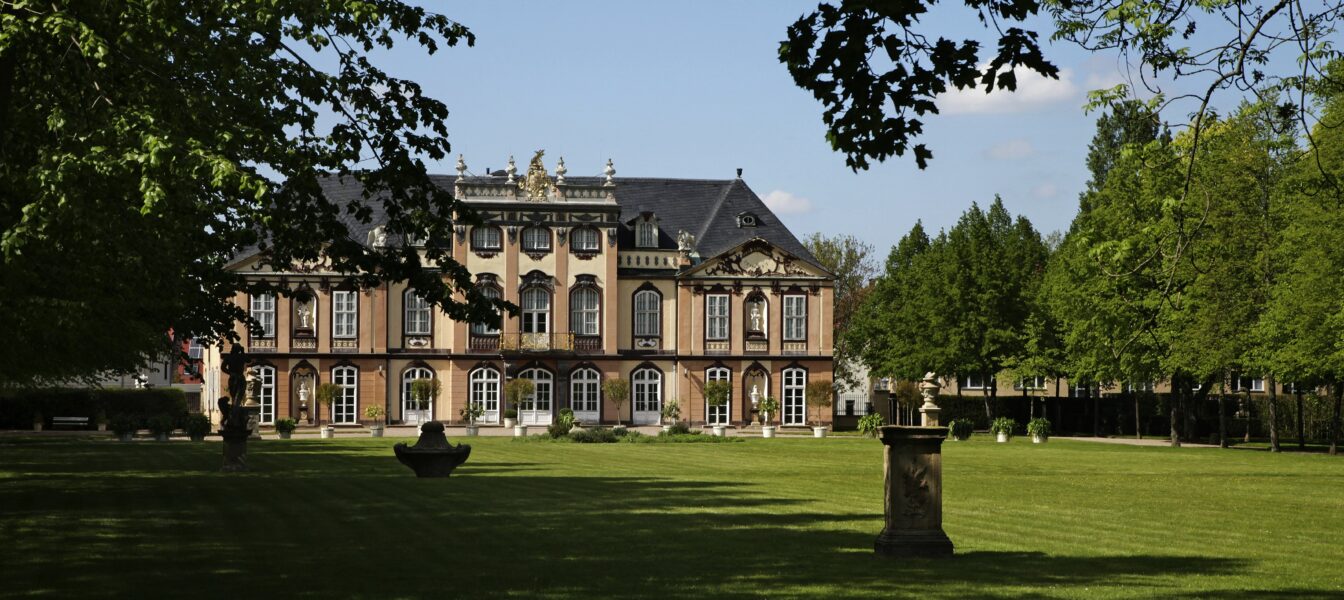
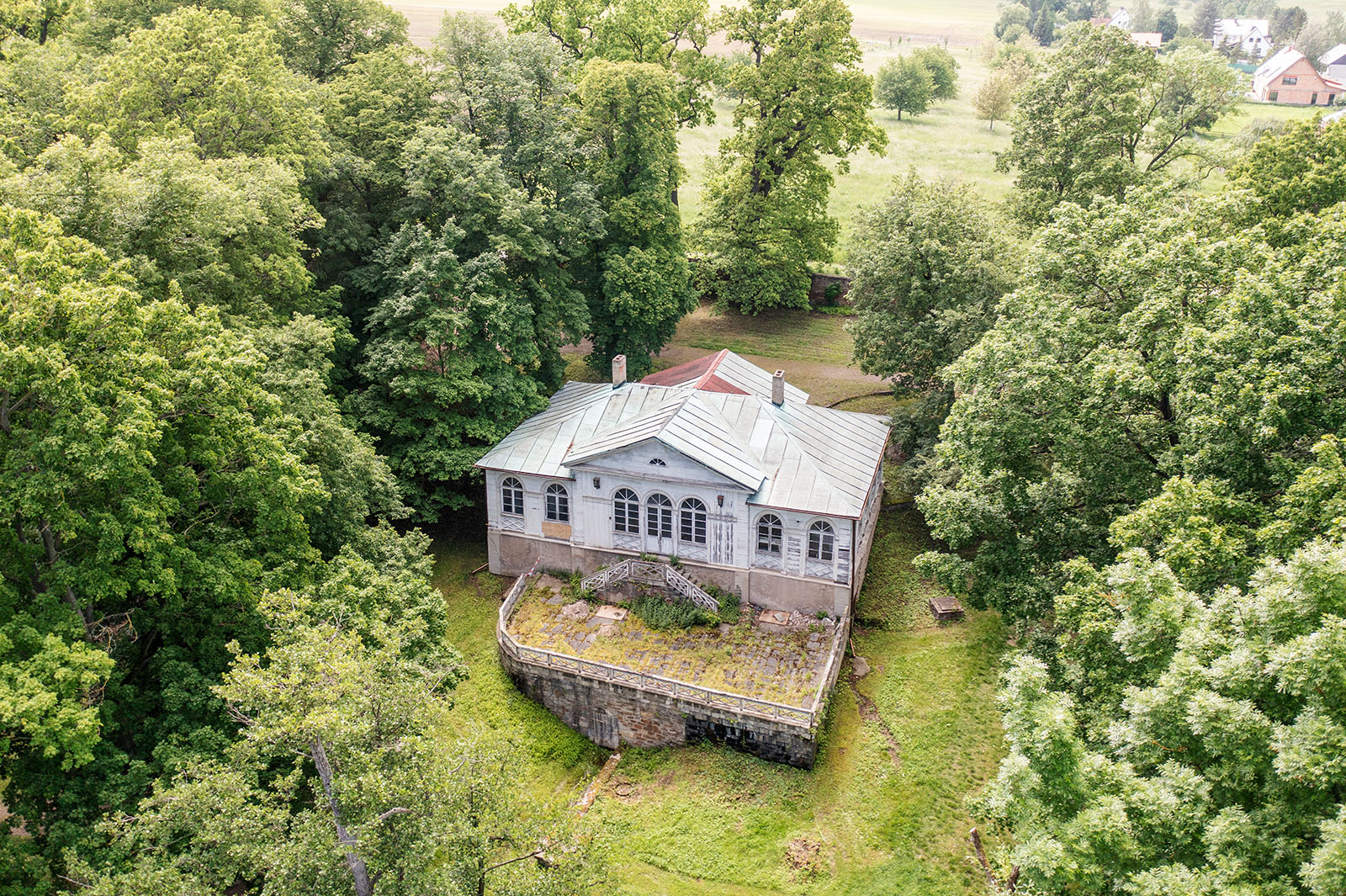
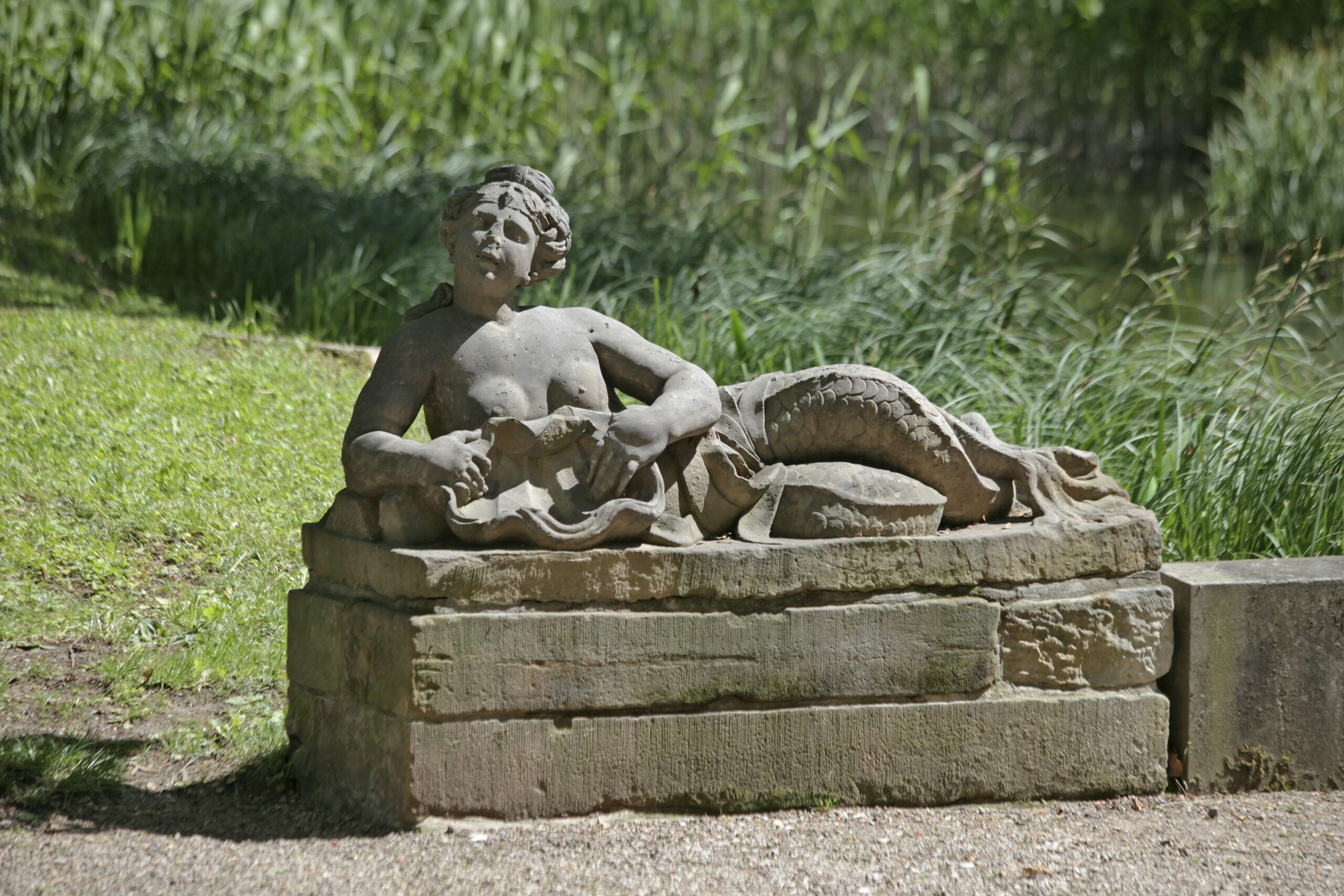
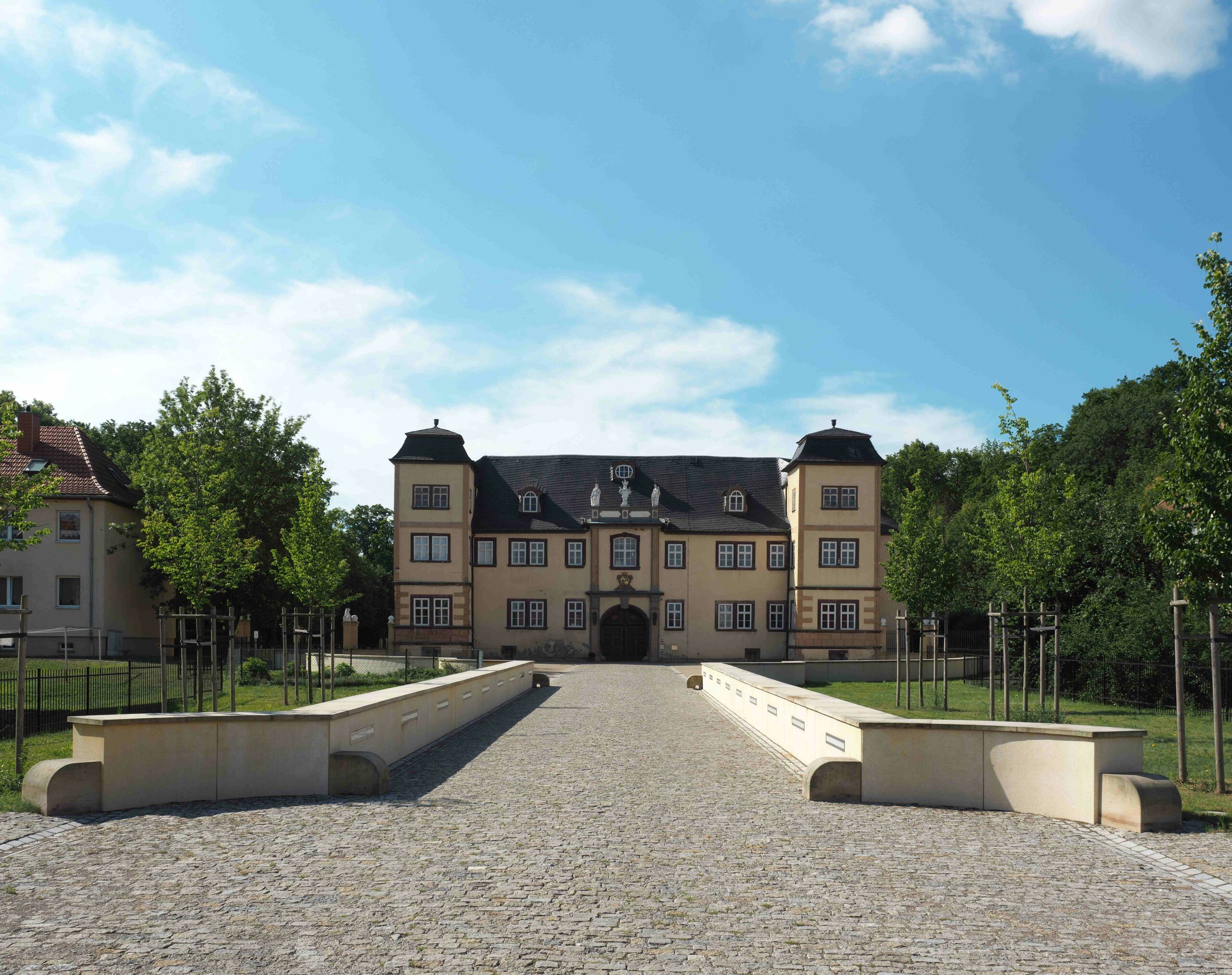
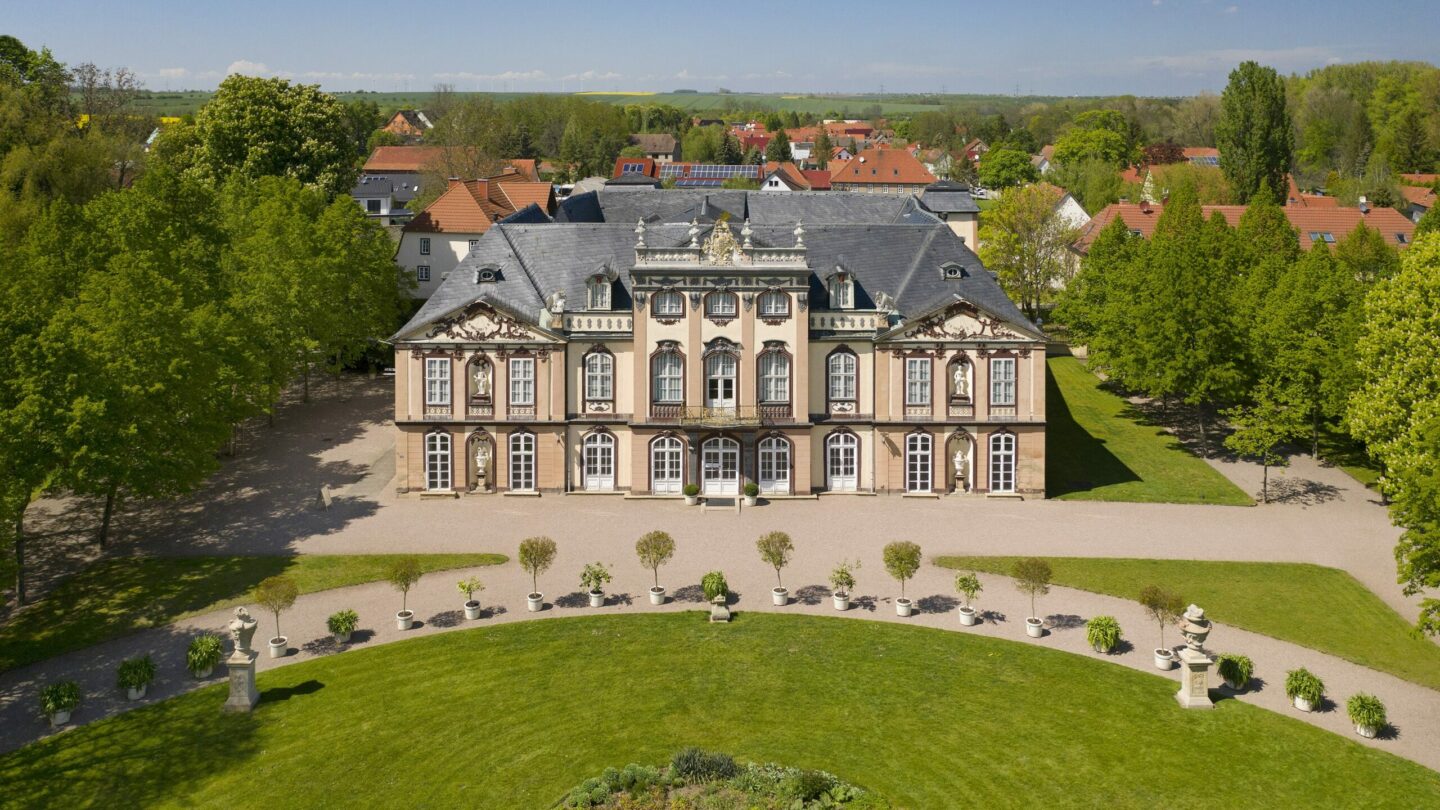
Traces of Baroque garden art can still be experienced at Molsdorf Palace Park. When the present‑day landscape park was designed towards the end of the 18th century, much of the elaborate layout from the 1730s was preserved. At that time, Gustav Adolf Count von Gotter – reputed to be something of a bon vivant – had acquired the Molsdorf moated palace and converted it into a pleasure palace. In keeping with the lavish design of the façade and interiors, Gotter also had the garden laid out with great extravagance. A long central axis with garden parterres was bordered by canals and adorned with countless sculptures. The basic forms of the Baroque parterre were integrated into the landscape park as symmetrical lawns; some of the sculptures also remained in their original positions and can still be encountered along the park paths.
The Baroque palace garden, which had already been created in the early 18th century, reached its artistic peak under Imperial Count Gustav Adolf von Gotter around 1748. Historical plans show the classical sequence: broderie (ornamentation by means of boxwood hedges) parterres laid out directly in front of the palace, followed by bosquet (small pleasure grove) rooms, each symmetrically arranged along the main axis extending from the palace into the surrounding landscape. The garden was equipped with water features and numerous garden sculptures. After being taken over by the ducal house of Saxe‑Gotha‑Altenburg towards the end of the 18th century, the grounds underwent a transformation into a landscaped design. As a result, the canals were filled in, the fountains and cascade destroyed, some avenues and hedges removed, and many sculptures sold. In their place arose picturesque groups of trees, lawns, and a pond with a gently curving shoreline. The redesign was carried out by Rudolph Eyserbeck, son of the renowned Wörlitz gardener Johann Friedrich Eyserbeck, and his successor, court gardener Friedrich Emil Wehmeyer. Molsdorf Palace Garden is an impressive example of the harmonious fusion of architectural and landscape garden art in Thuringia.