Noble’s castle – den of thieves – official residence
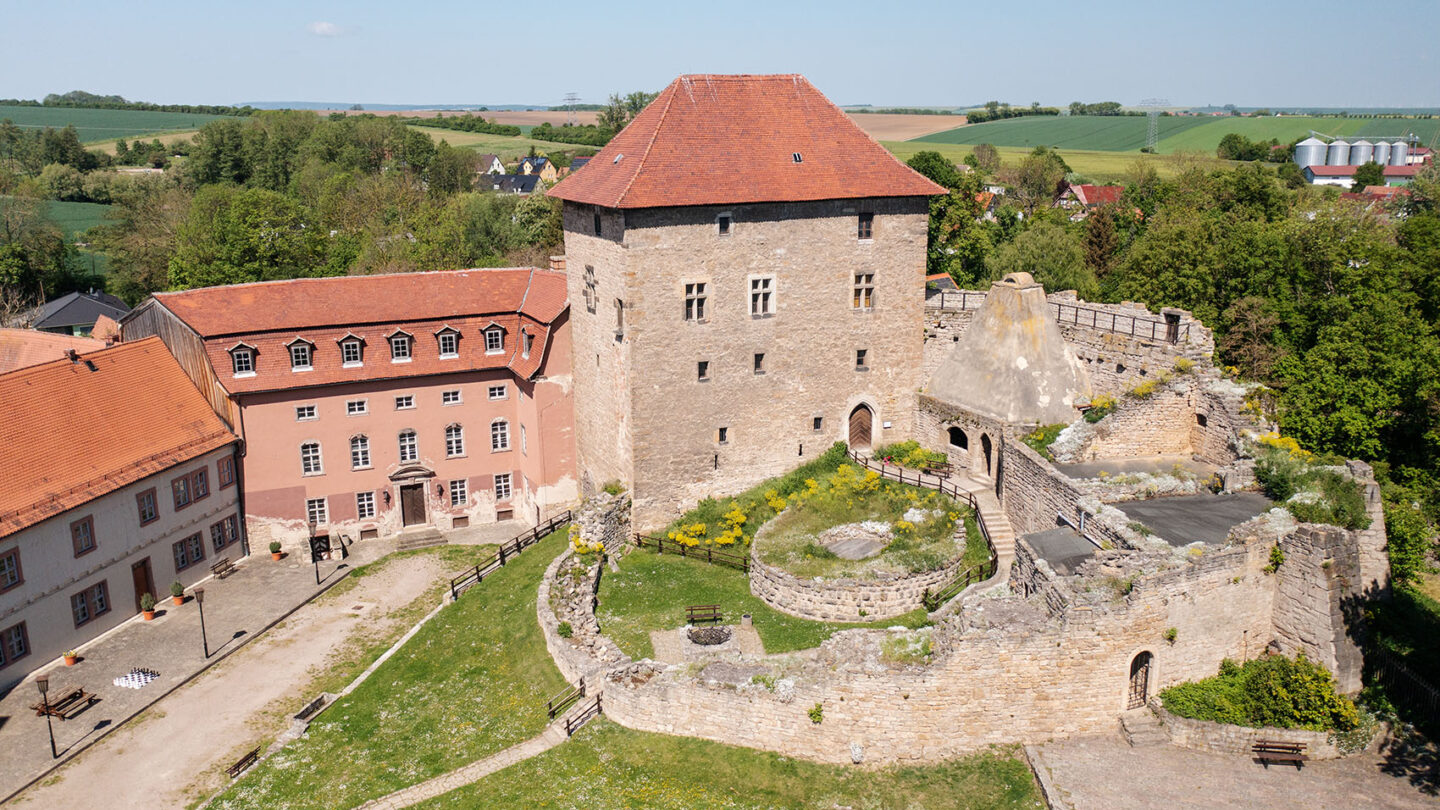
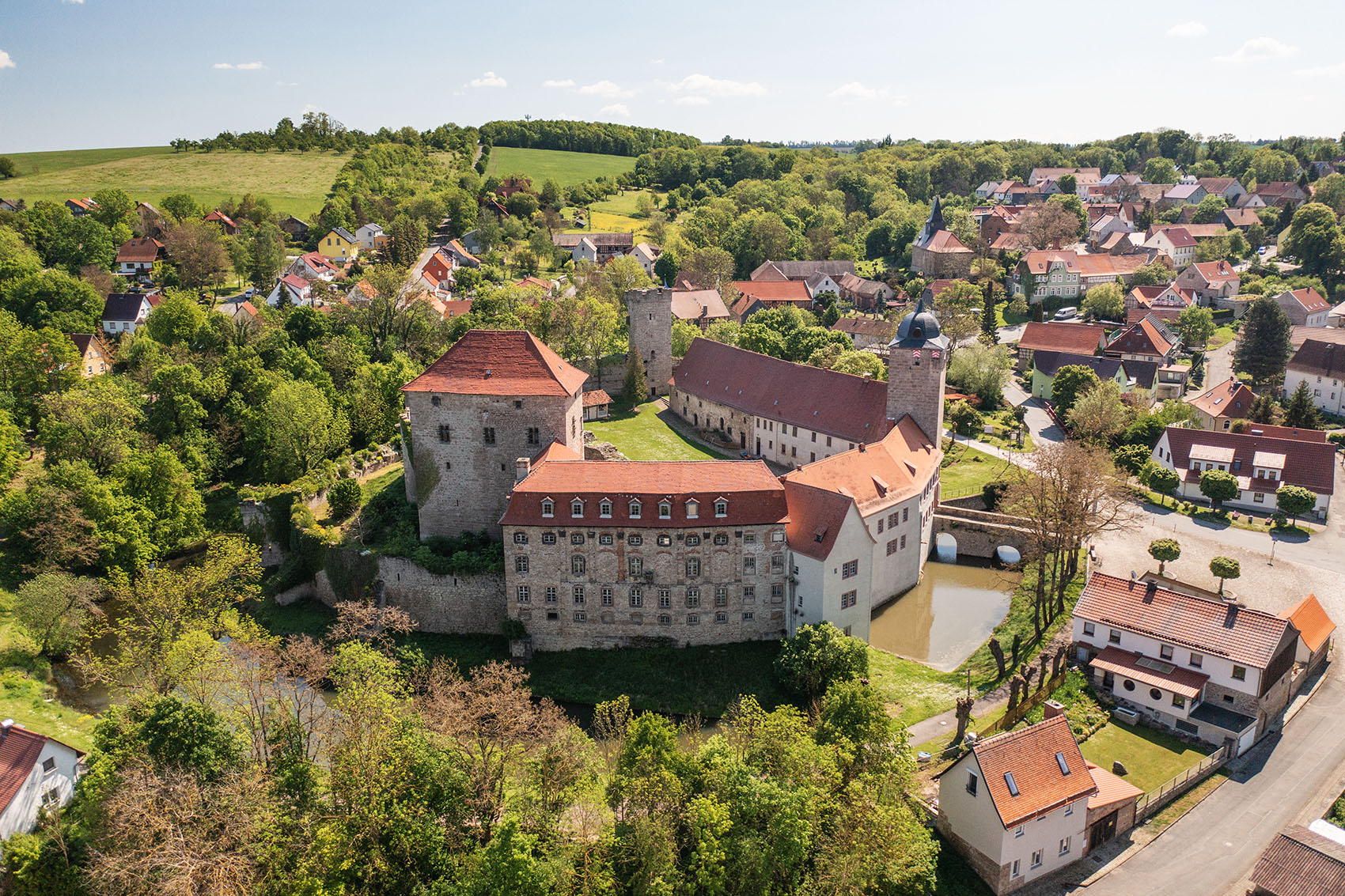
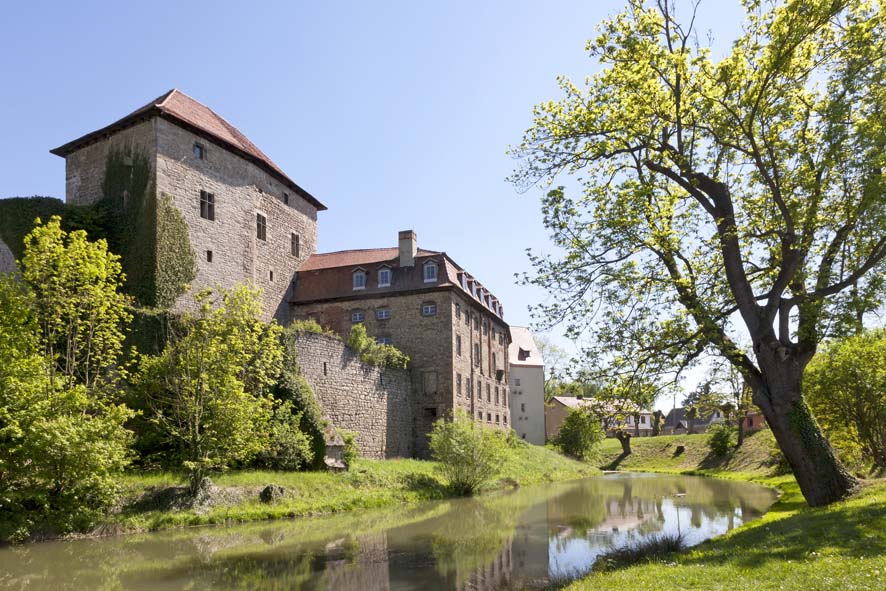
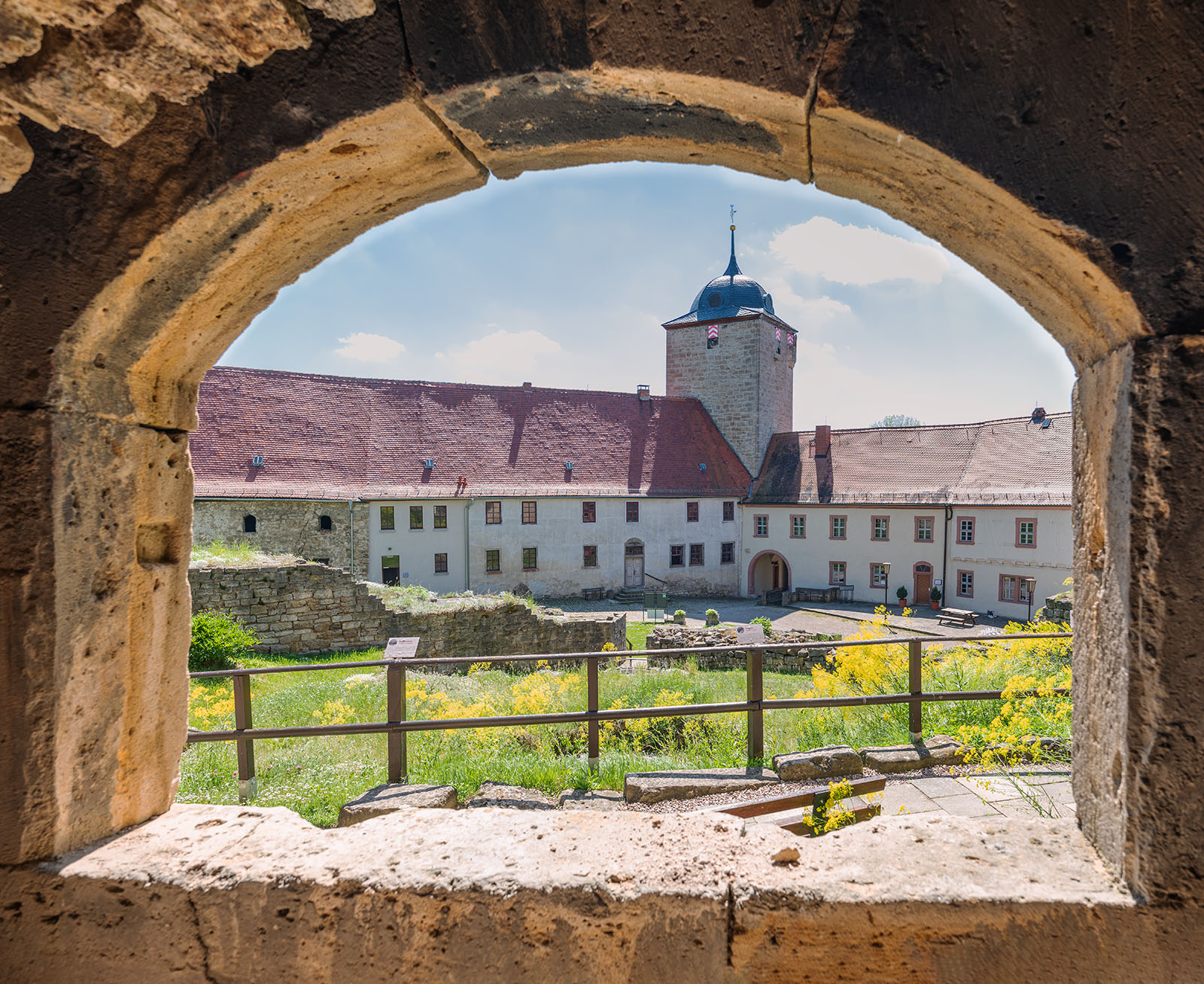
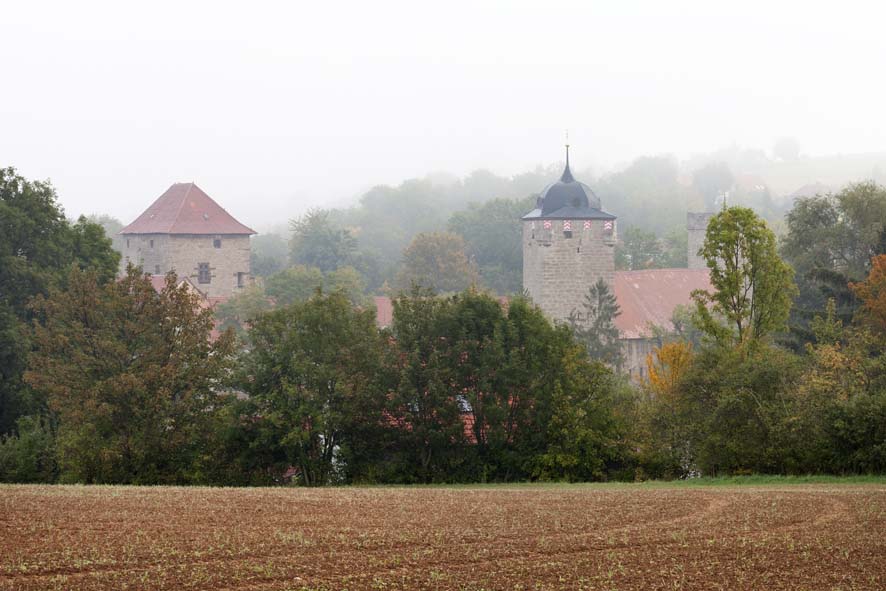
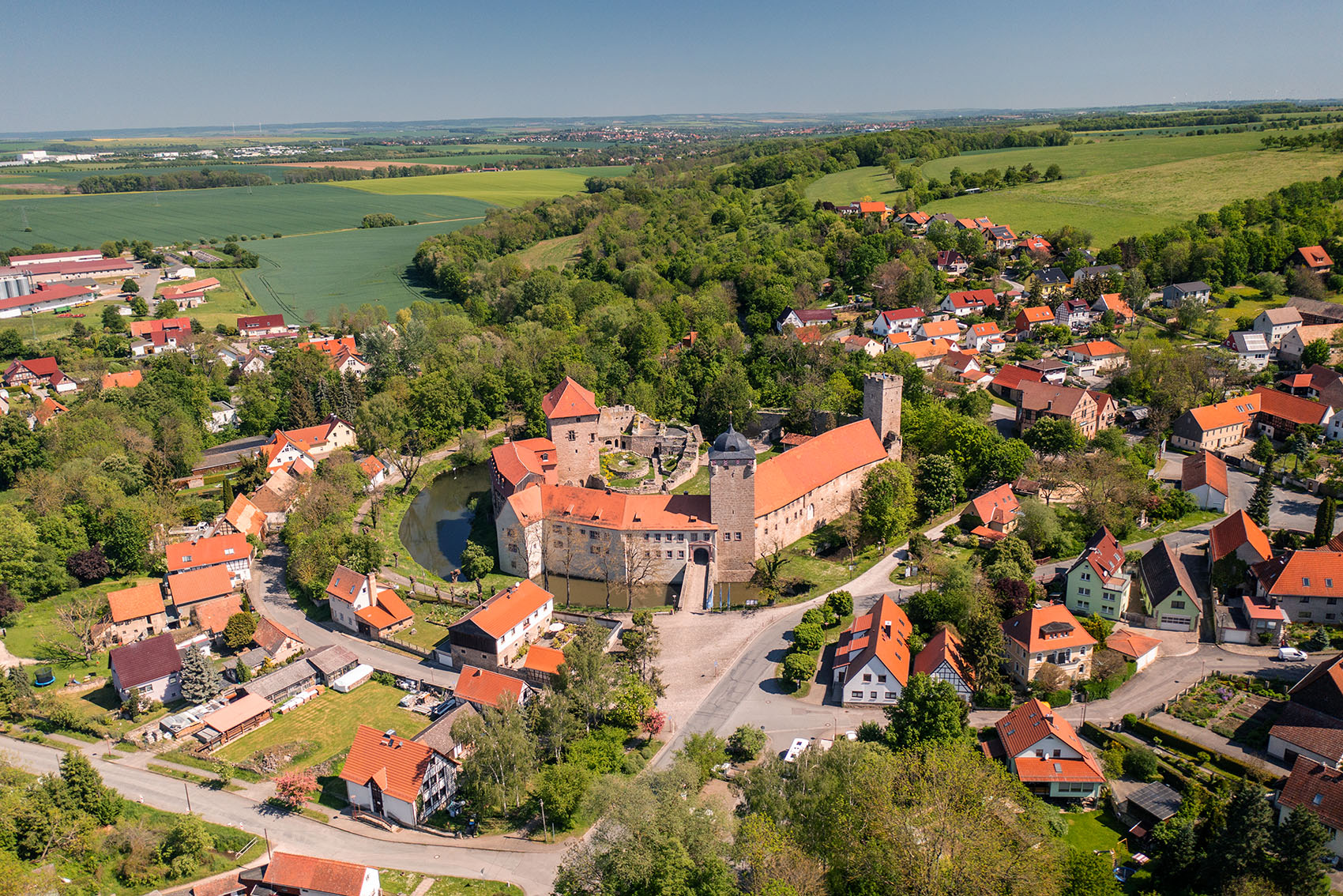
It was pledged as security by impoverished lords; for the city of Erfurt, it was a key element of its castle policy; it served as a safe hideout for a robber baron; and the Saxons used it as a court of justice and tax office. The history of Kapellendorf Water Castle is as fascinating as it is eventful. In the 14th century, the castle took on its present form, complete with a curtain wall, a moat and a medieval residential tower. Today, Kapellendorf is one of Thuringia’s best-preserved castles.
At a glance
Construction work at Kapellendorf Water Castle
The castle courtyard is closed due to building works. It is open to visitors on public holidays and at weekends during the school holidays. We thank you for your understanding!
Friends’ Association
Wasserburg und Kapellendorf e.V. Website
Opening hours
Kapellendorf Water Castle Opening hours of the castle courtyard
during the winter season:
Monday to Friday
8 am – 3 pm
Weekends & public holidays: closed
during the summer season (18 April to 25 October)
Monday to Friday
8 am – 3 pm
and on public holidays and school holiday weekends 11 am – 5 pm
A town’s castle
He became known as the ‘Arsonist of Thuringia’. After all, Apel Vitztum the Elder of Roßla is said to have played a decisive role in the outbreak of the Saxon Civil War. Initially, he served Elector Frederick II, but then switched sides and served his brother from then on. But that is not the end of Apel’s story, for the member of the ducal council was to become a notorious robber baron. In 1446, the city of Erfurt had entrusted him with the protection of its merchants and assigned him the moated castle of Kapellendorf for this purpose. Yet instead of providing protection, he began carrying out raids. He ambushed a ducal delegation, robbed them and barricaded himself inside the castle with his hostages. It took more than eight weeks to free the captives. This incident earned Kapellendorf the nickname ‘the robber baron’s castle’. Today, the moated castle is one of the best-preserved castle complexes in Thuringia. It has largely retained its fortified medieval character to this day. The castle owes its truly imposing dimensions to the city of Erfurt.
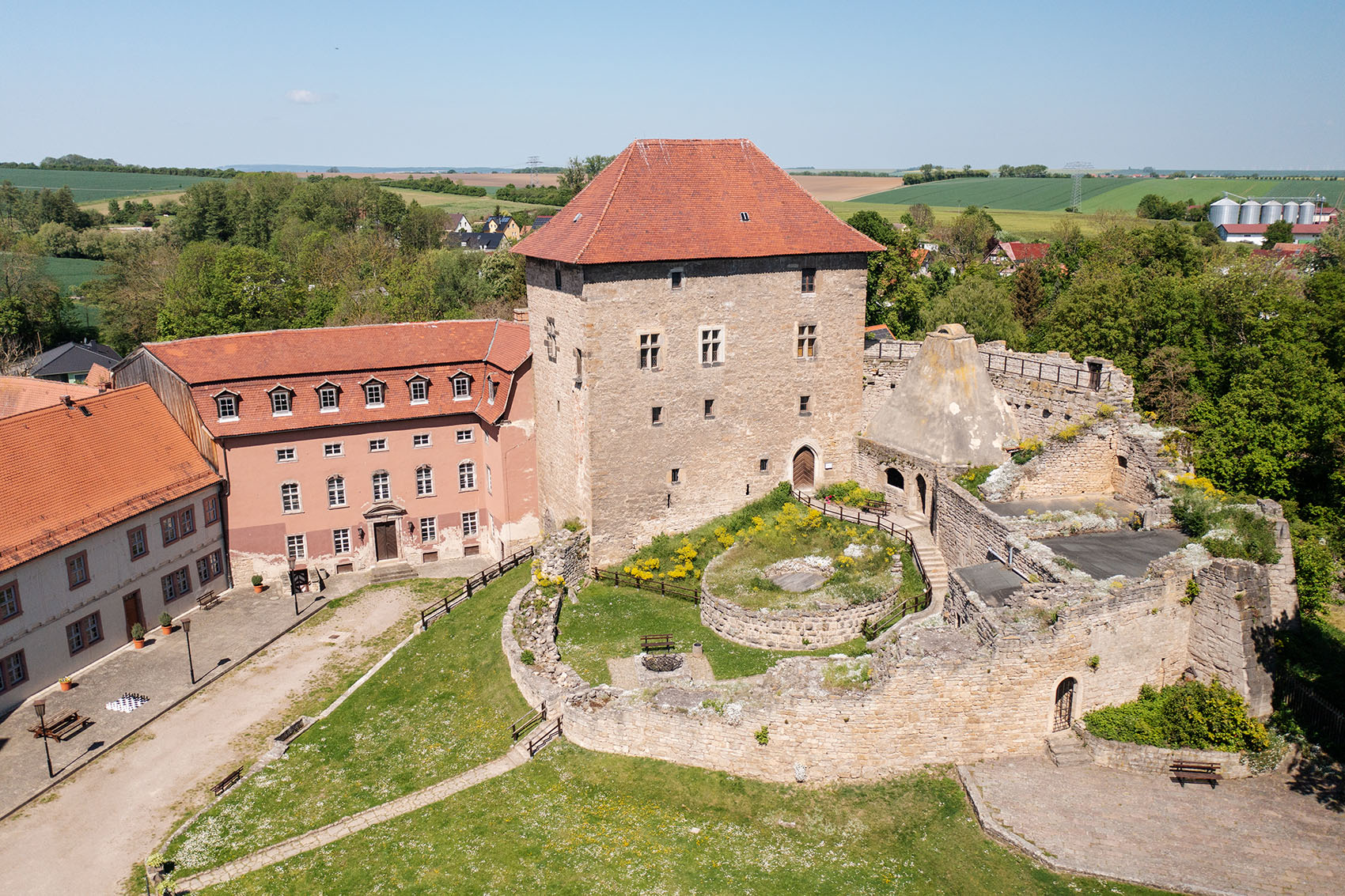
The city had acquired the estate in 1348 through a front man acting on behalf of the Counts of Kirchberg. Kapellendorf was to become an important part of Erfurt’s castle strategy in the 13th and 14th centuries. At that time, the city systematically acquired land, including castles and villages, along the trade routes and at times thus controlled an area of around 900 square kilometres. Shortly after the acquisition, the city began extensive renovation work. A new complex was built around the old castle core. Whilst the old castle had a diameter of 32 metres, this increased to around 90 metres following the extension. It was at this time that the complex also took on its final form, complete with the surrounding curtain wall, defensive towers and a moat up to 30 metres wide. Within the old inner castle, a kitchen and a five-storey women’s quarters were built, comprising an armoury, living quarters and a hall. Towards the end of the 15th century, the political and economic decline of the city of Erfurt began; the castle had to be pledged to Saxony and quickly lost its importance.
Administrative headquarters and military barracks
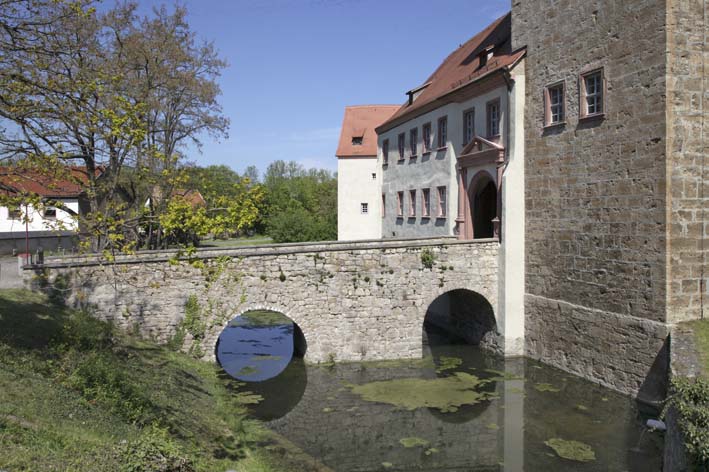
In 1684, Kapellendorf was converted into a judicial and revenue office of the Duchy of Saxe-Weimar. The new owners relocated the castle gate to the tower in the south-west and had a stone bridge built over the moat. In the 18th century, the so-called ‘Princess’s Building’ was finally erected; although it was intended as a widow’s residence, it was never used as such. Kapellendorf was to come to the forefront of history one last time in 1806. During the Battles of Jena and Auerstedt, the castle served as the main base for the Prussian troops fighting against Napoleon. Today, visitors can learn about the history of Kapellendorf Water Castle whilst taking a tour of the castle courtyard and visiting a small exhibition room. The water castle also regularly hosts events, such as craft and pottery markets, concerts, cabaret and theatre performances.