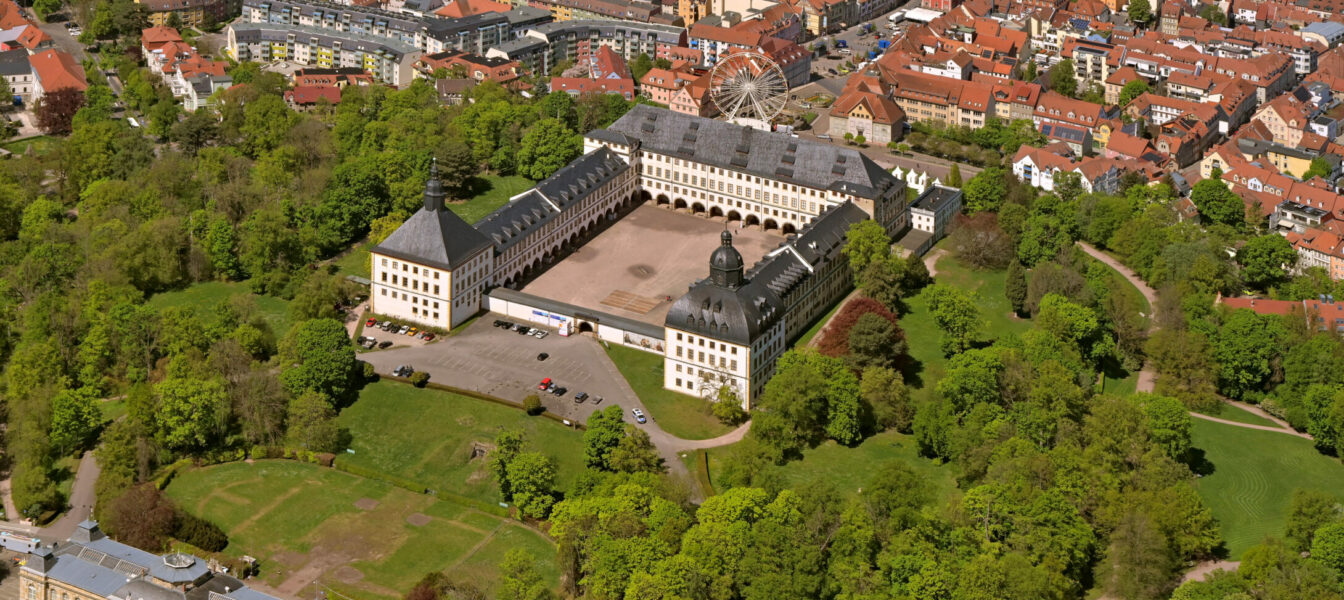
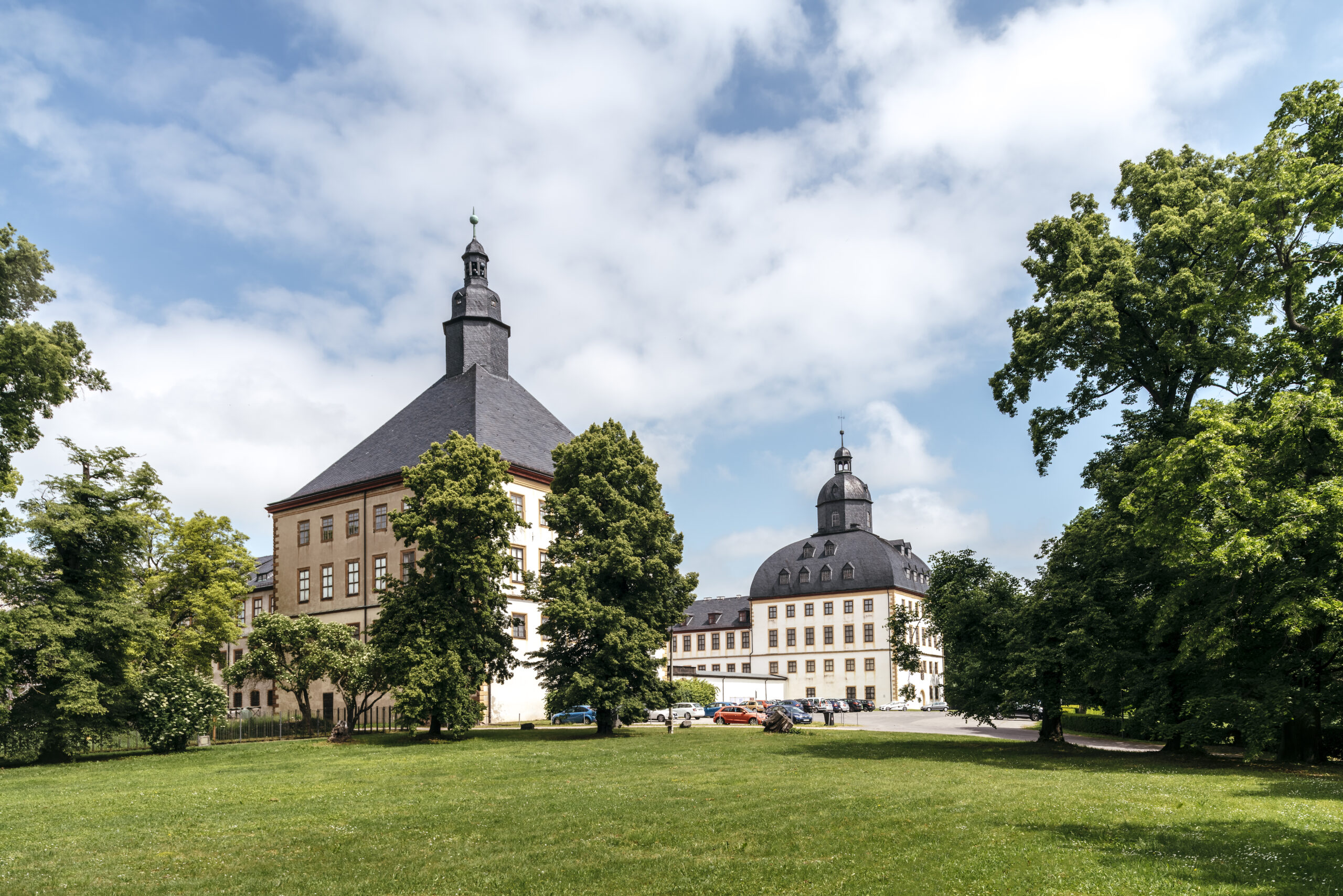
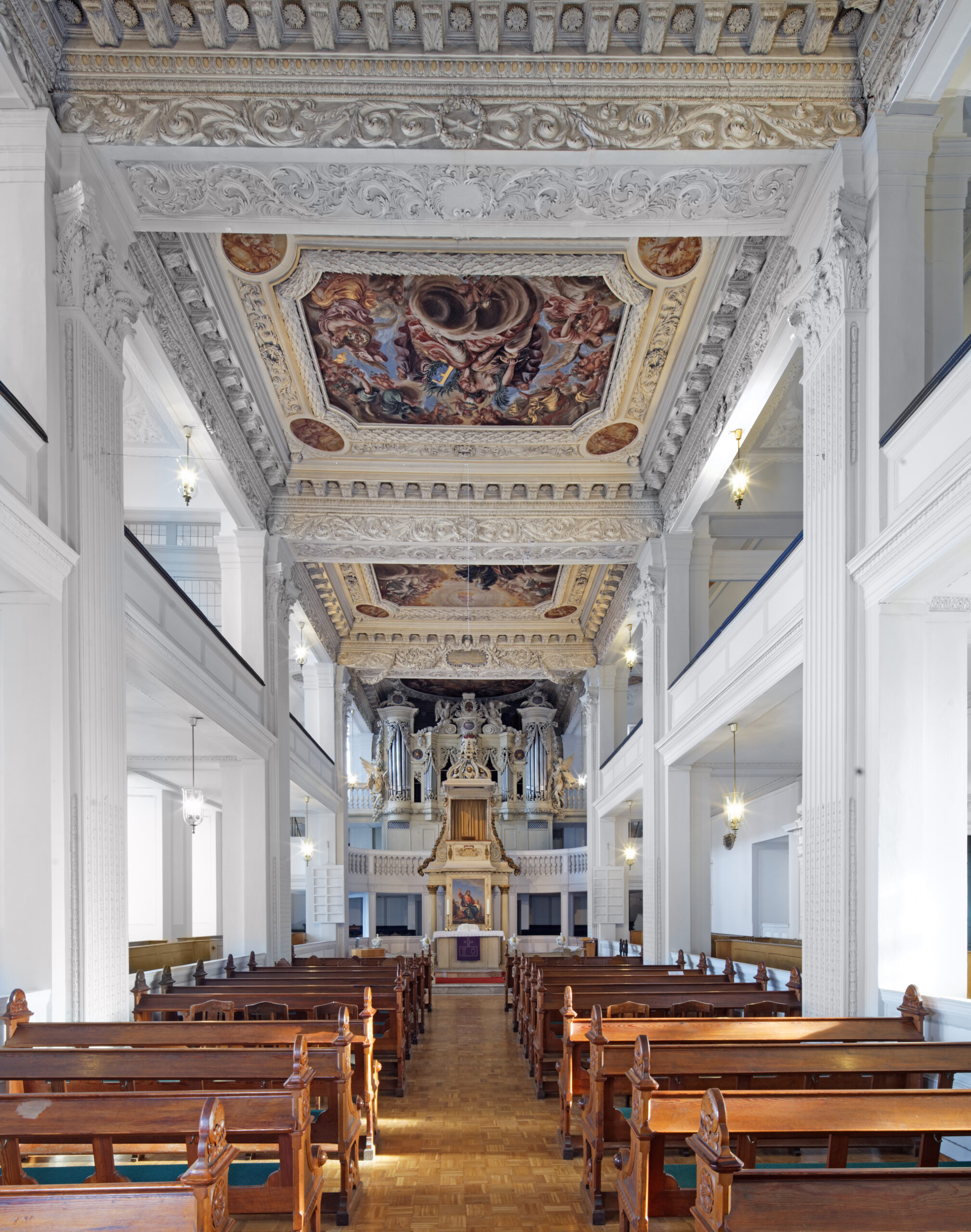
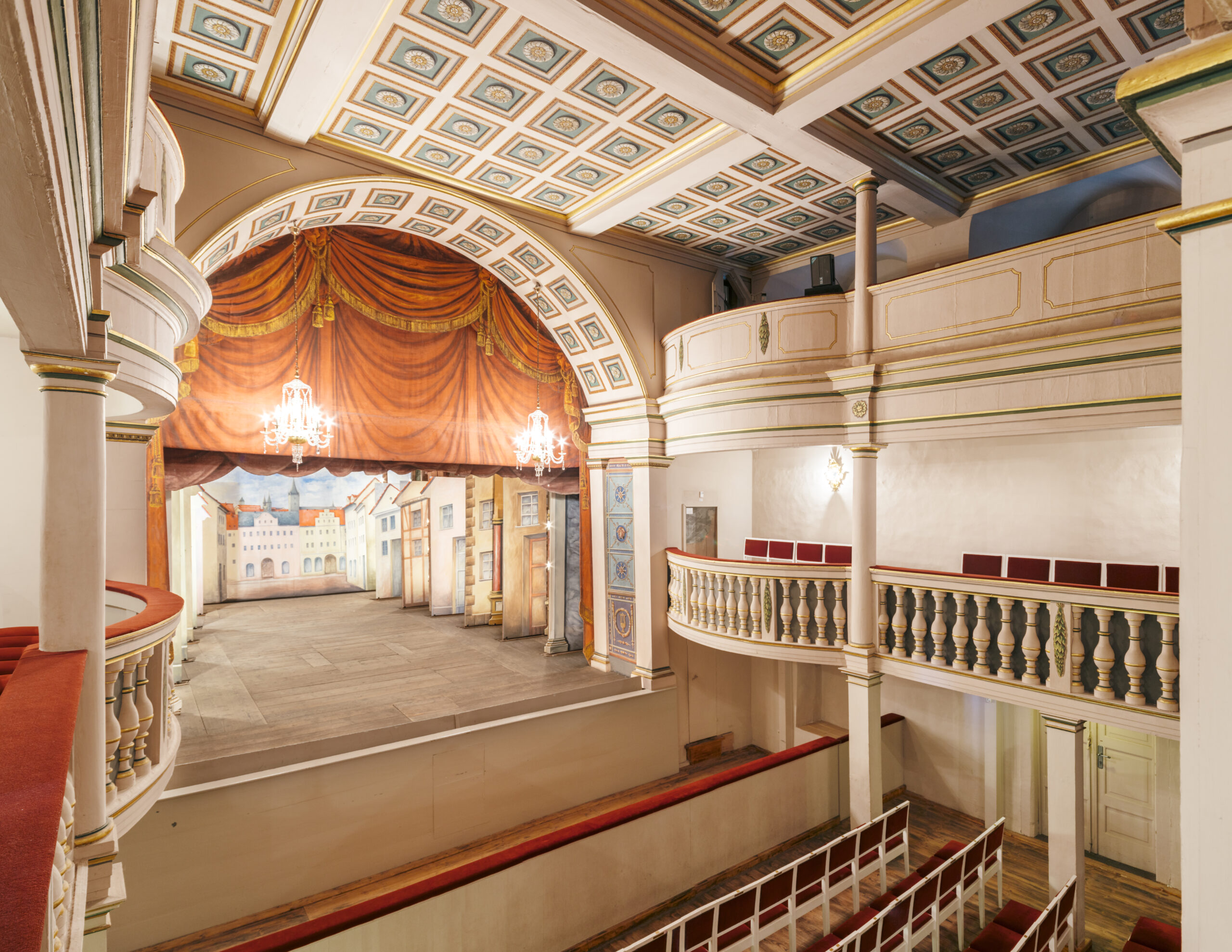
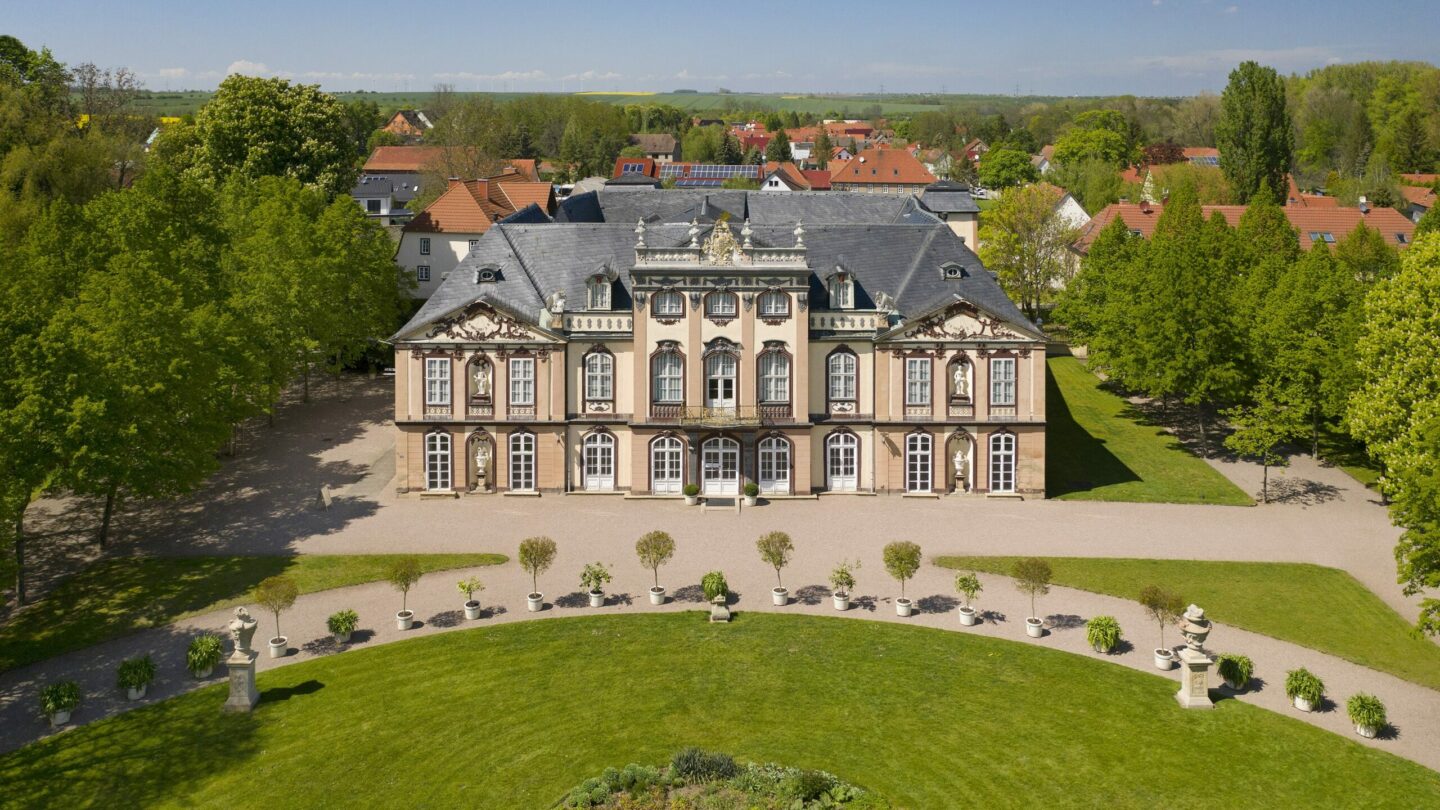
The Baroque Friedenstein Palace is the impressive testimony to the art of the newly established Duchy of Saxe-Gotha. Duke Ernst I of Saxe-Gotha had it built. His deeply religious outlook is reflected not only in his epithet “the Pious”, but also in the palace’s name itself. “Peace nourishes, discord consumes” can be read at the main portal. Today, the palace houses the Palace Museum with Cabinet of Curiosities, the Museum of Nature and the Historical Museum, as well as the Baroque Ekhof Theatre and the Palace Church.
At a glance
Address
Castle Museum with Art Collection, Natural History Museum and Historical Museum, Ducal Museum
Castle Museum with Art Collection, Natural History Museum and Historical Museum, Ducal Museum
Closed on Mondays and Tuesdays (except public holidays)
Open Wednesday to Sunday
November to March: 10.00–16.00
April to October: 10.00–17.00
Closed on 24 December and 31 December
Park/Garden
Park grounds freely accessible
Castle Church During church services and events
Casemates Daily guided tours
A Religious Ruler with Foresight
Rebuilding the devastated land – this was how Duke Ernst I saw his life’s task. The Thirty Years’ War (1618–1648) had left devastating traces, destroying towns and villages and depopulating entire regions. Under these circumstances, Ernst I of Saxe-Gotha (1601–1675) had to build up his young duchy. Despite all adversities, he succeeded in establishing a truly exemplary state. Above all, ecclesiastical and educational matters were close to the ruler’s heart. Behind everything Ernst I did stood a deep religious conviction that did not remain in theory but was geared towards practical action, which earned him the epithet “Ernst the Pious”.
Peace Nourishes – Discord Consumes
It was also Ernst I, known as “the Pious”, who commissioned the construction of Friedenstein Palace. It was to replace Grimmenstein Castle, which had already been destroyed by then. In autumn 1643, the foundation stone for the new palace was laid; scarcely three years later, the duke and his family were already able to move into the north wing. By 1656, the entire complex was finally completed, although the initial outfitting would take a further ten years. Eminent artists and renowned craftsmen left their mark on Gotha. They ensured that Friedenstein Palace would rank among the outstanding works of architecture of the 17th century. Hardly any other prince possessed a comparable residence at that time. The symbolically charged palace name is addressed both in the dedication inscription above the main portal and in the relief cartouche above it, depicting the “kiss of peace”. The surrounding motto reflects the patron’s outlook: “Peace nourishes – discord consumes.”
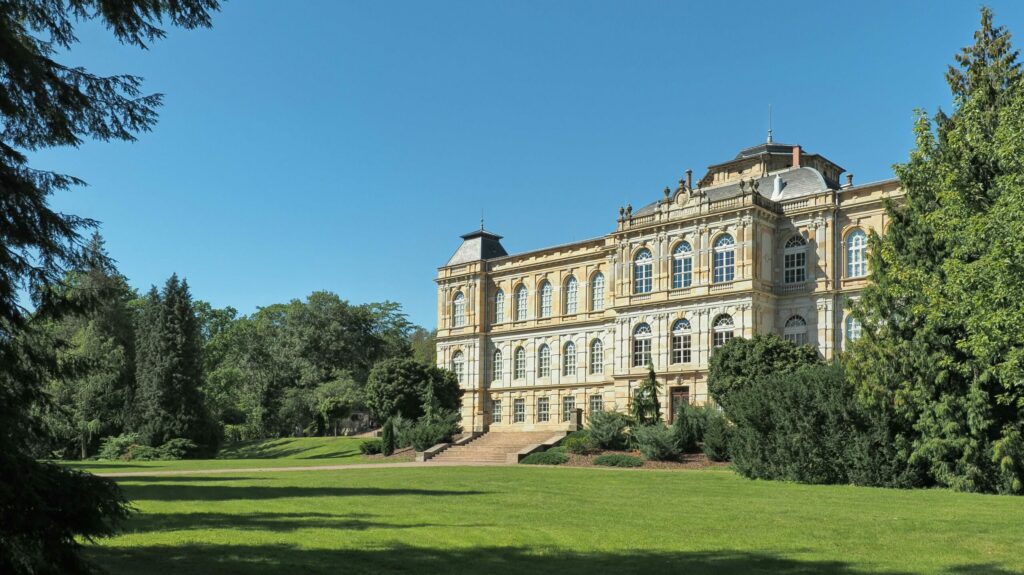
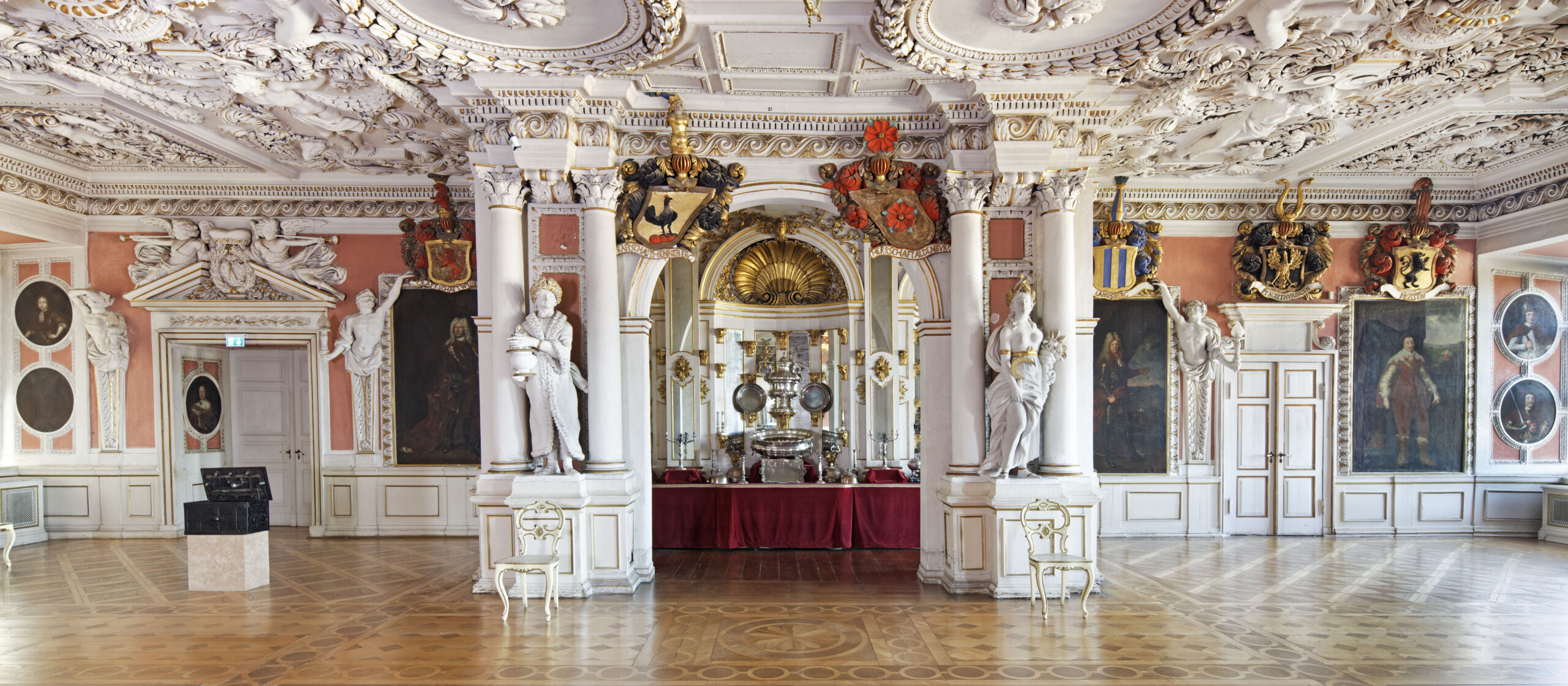
Inside the palace, rooms from the Baroque, Rococo, Neo-classical and Historicist periods have been preserved. Today, it houses the Palace Museum with the richly stuccoed Great Hall and the ducal apartments, as well as the Cabinet of Curiosities, the Museum of Nature and the Historical Museum. The unique art collections can be viewed in the Ducal Museum opposite. The Ekhof Theatre is located in the west tower – a Baroque theatre that bears the name of Conrad Ekhof (1720–1778). He was regarded as the “father of German acting” and director of one of the first continuously performing theatres with permanently employed actors. Owing to its original wooden stage machinery, the theatre is considered one of the most completely preserved of the 17th century and is still in use today.
English Flair in Gotha
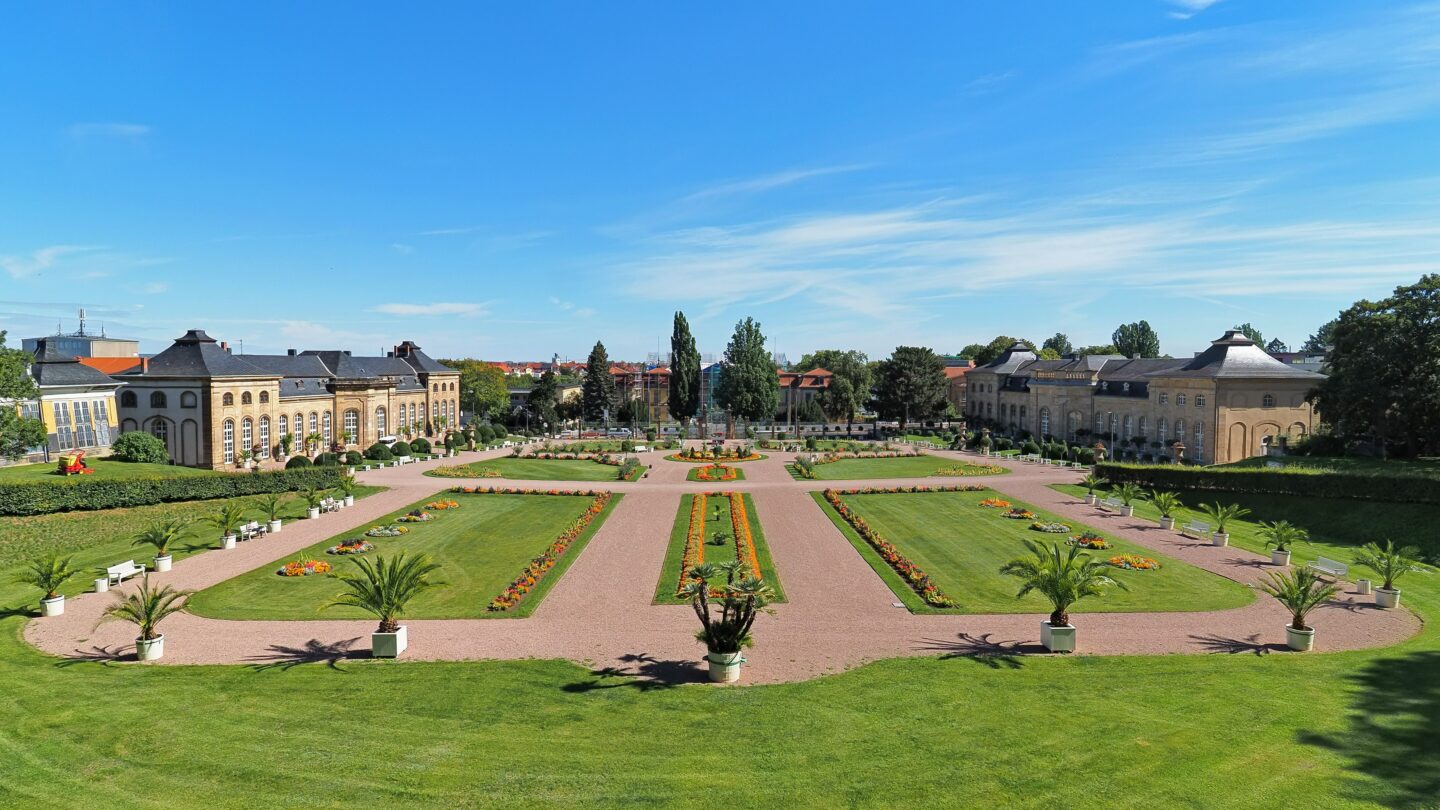
The most important garden creations in Gotha are the Orangery Garden, created from 1747 onwards, and the English Garden. Inspired by a journey to the British Isles, Duke Ernst II had a garden laid out in the English style. It is regarded as the first of its kind on the continent to have been designed by an English court gardener and to have remained virtually unchanged. At the centre of the park is an elongated lake with an island on which Ernst II Ludwig, Duke of Saxe-Gotha-Altenburg, and his family are buried.
By contrast, the Orangery Garden was masterfully sunk into the ground, thereby taking on the appearance of an amphitheatre with a view towards Friedensthal Palace. The garden is flanked by two orangery buildings and, to the north, by a hothouse. Its southern counterpart was destroyed in the Second World War.