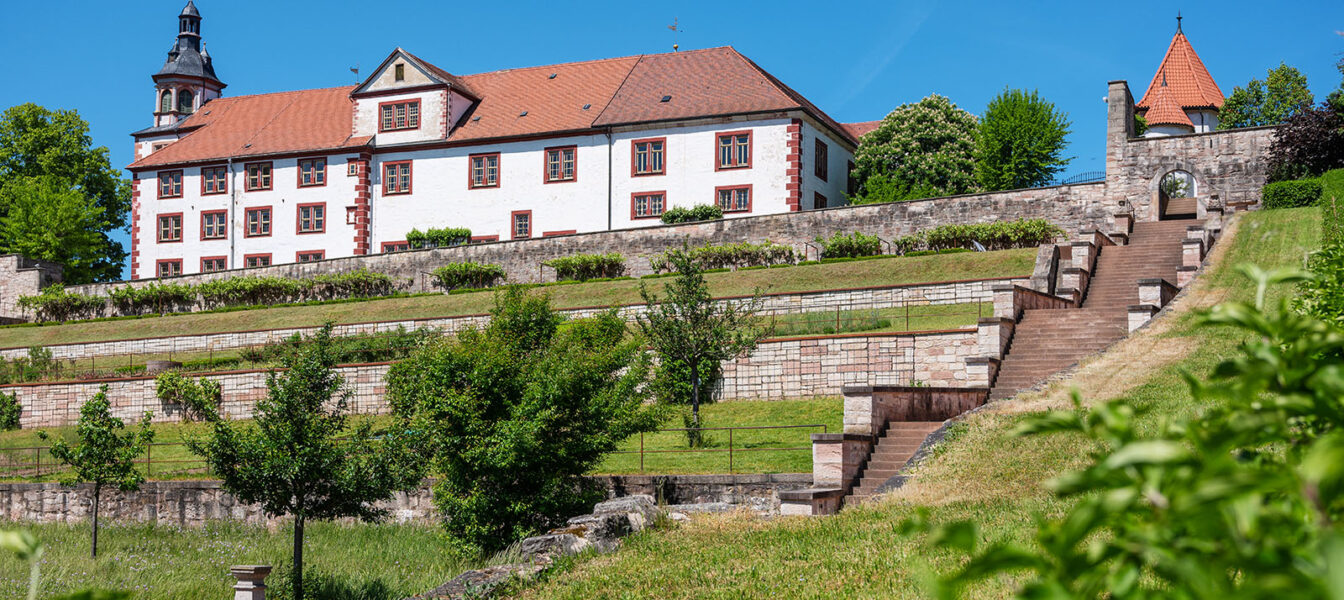
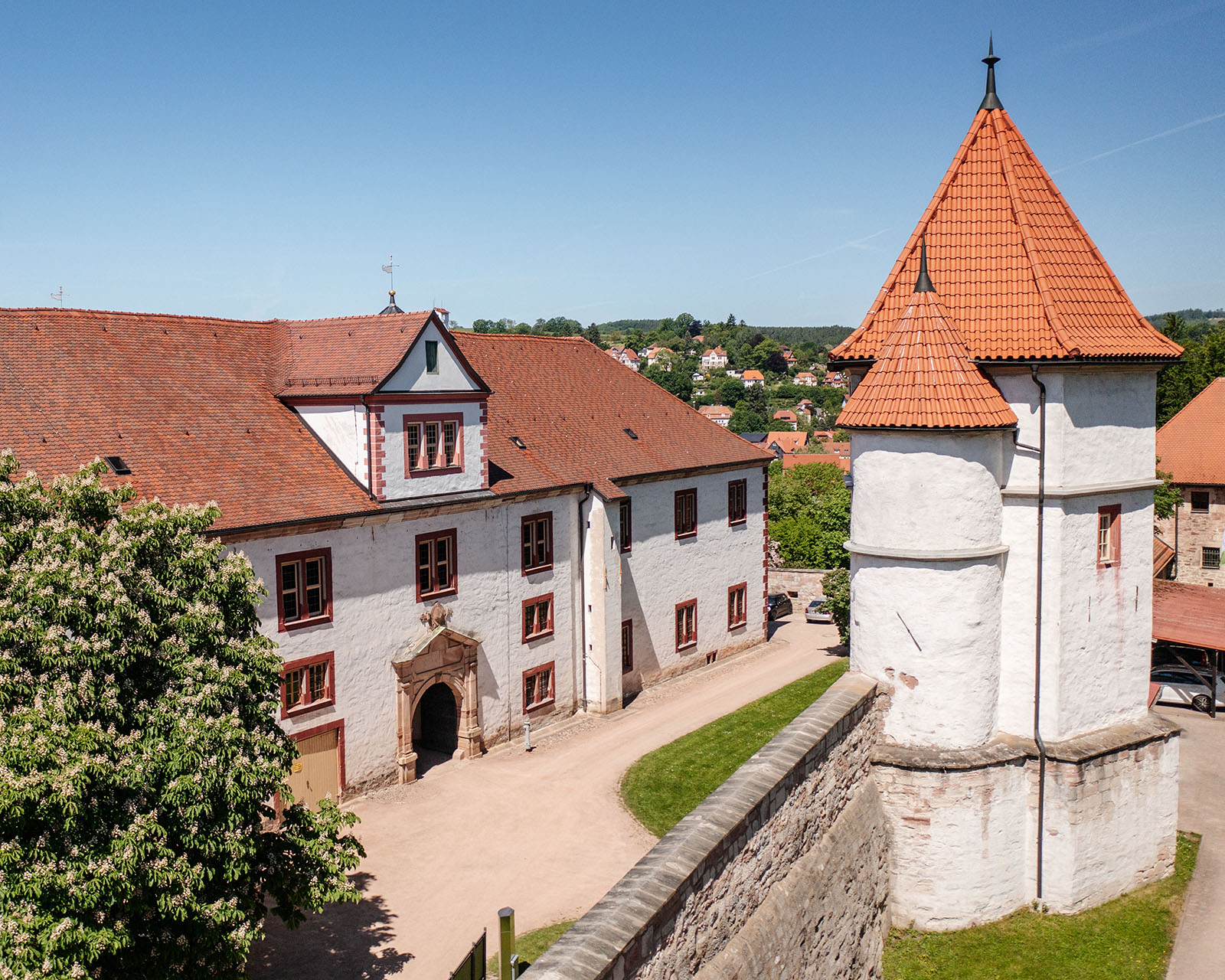
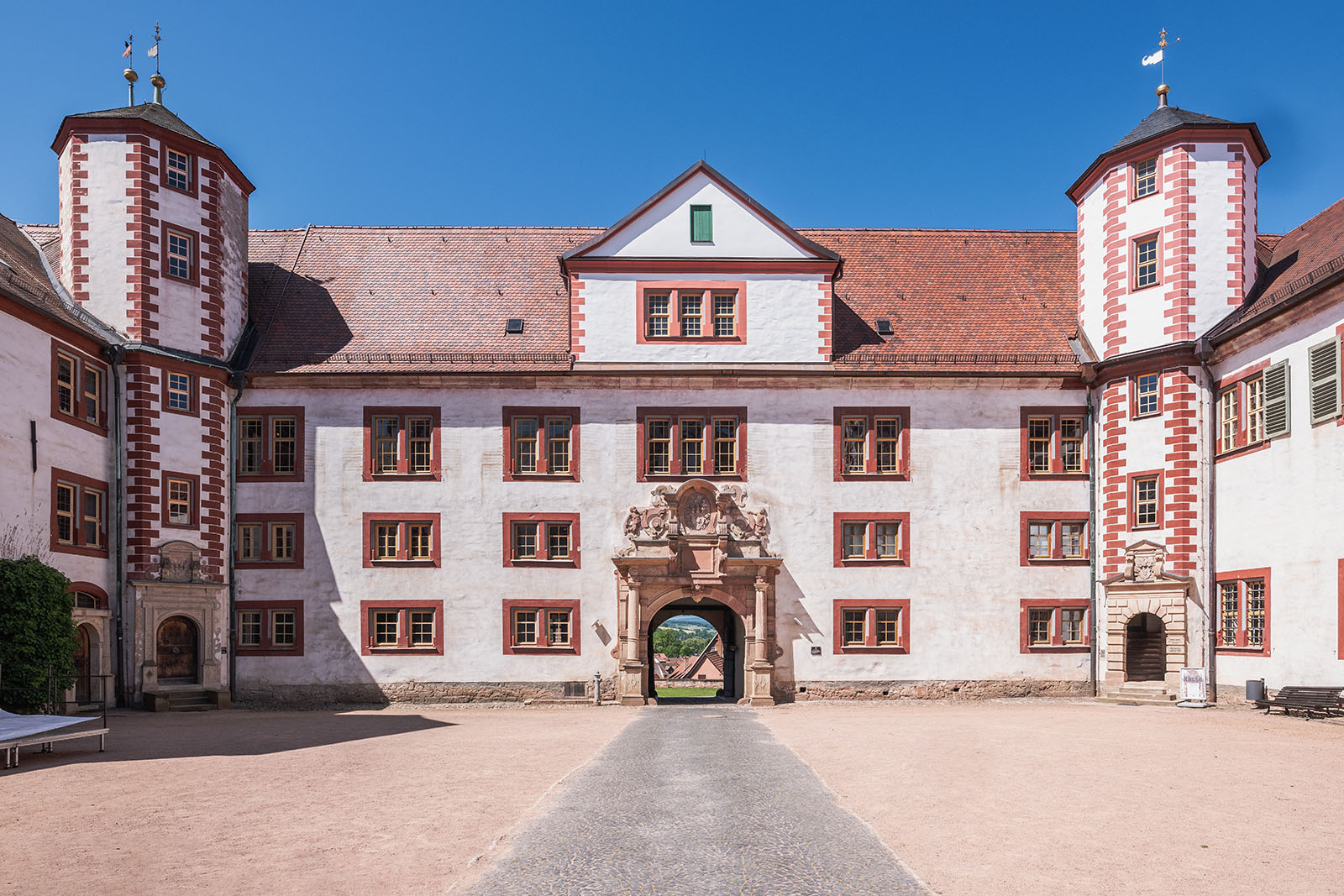
Schmalkalden is worth a visit for several reasons. For one thing, because of its historical significance at the time of the Reformation; for another, of course, because of its many half-timbered houses and the Wilhelmsburg Palace towering above them. The latter was once an important secondary residence of the Landgraves of Hesse-Kassel. Today it is one of the most beautiful Renaissance palaces in Thuringia and houses one of the oldest Protestant churches in Germany. A permanent exhibition transports visitors to the time of Martin Luther and the Schmalkaldic League.
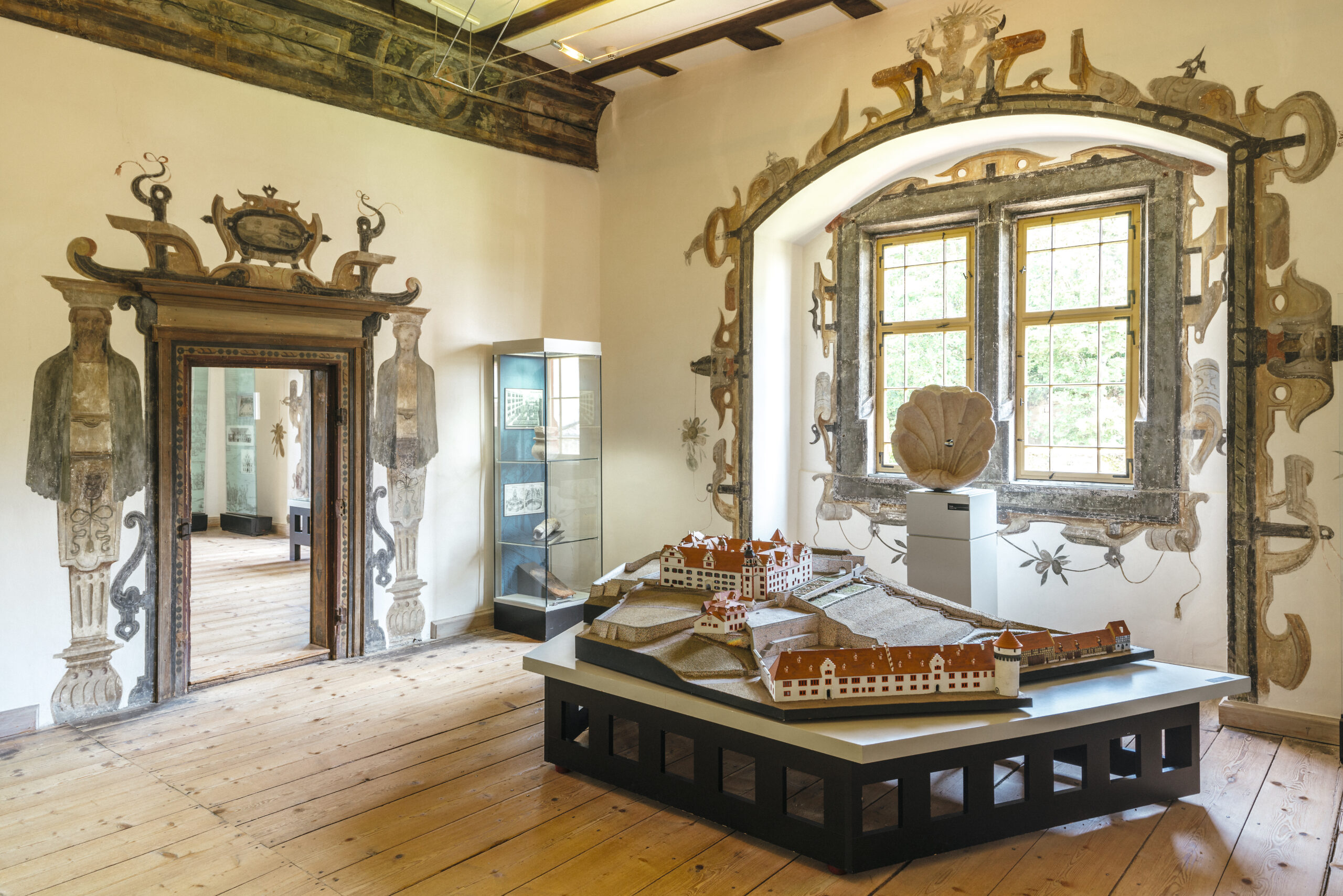
Today, the Wilhelmsburg Palace Museum houses permanent exhibitions on the history of the palace, Renaissance court culture and the history of the Reformation.
At a glance
Address
Wilhelmsburg Castle Museum
Schlossberg 9
98574 Schmalkalden Email Website
Opening hours
Wilhelmsburg Palace Museum
April to October: Mon–Sun 10 am–6 pm
November to March: Tue–Sun 10 am–4 pm
Open on public holidays
Closed on 24, 25 and 31 December
Palace Gardens
April to September: 7 am – 8.30 pm
October to March: 7 am – 7 pm
Wilhelmsburg Palace
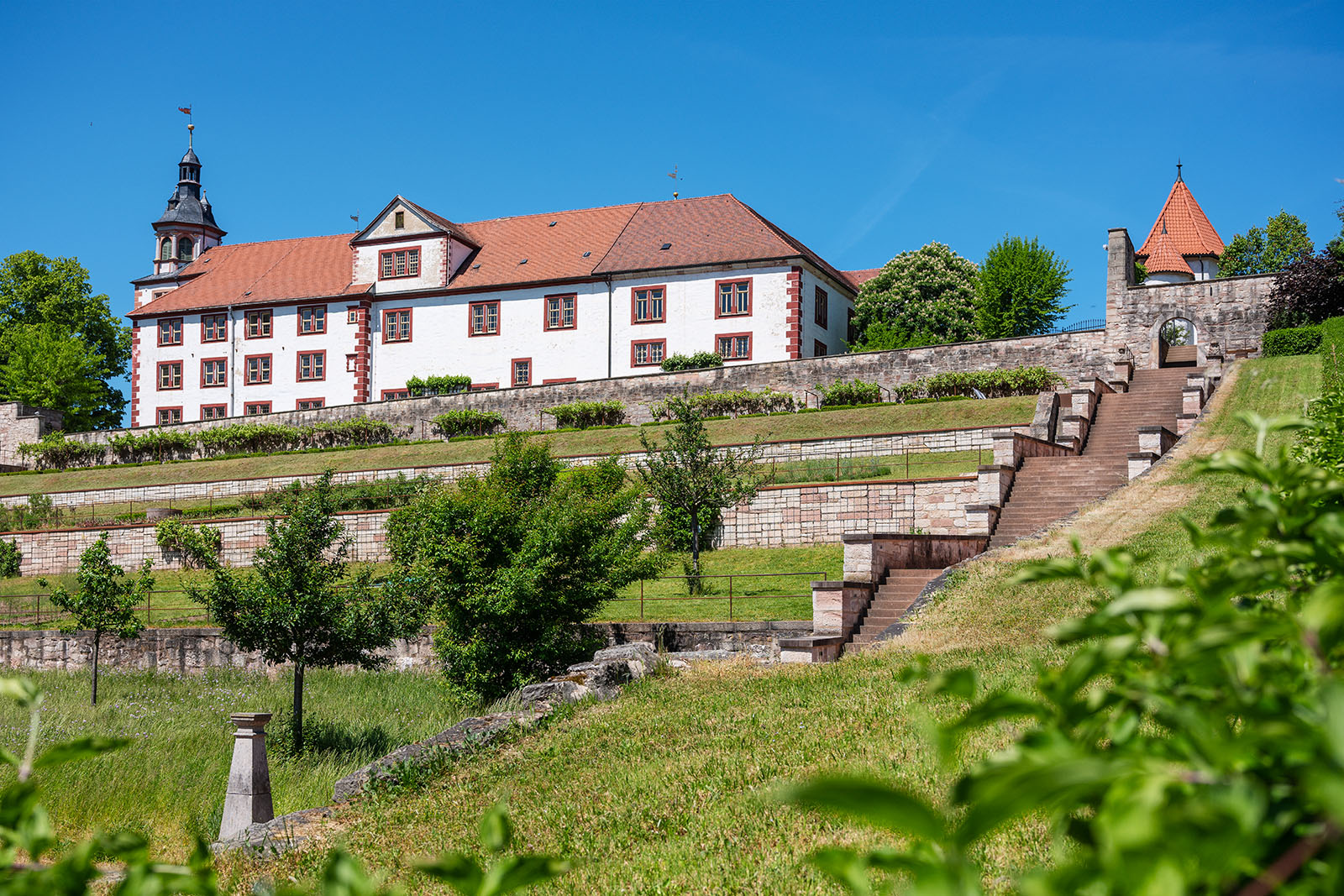
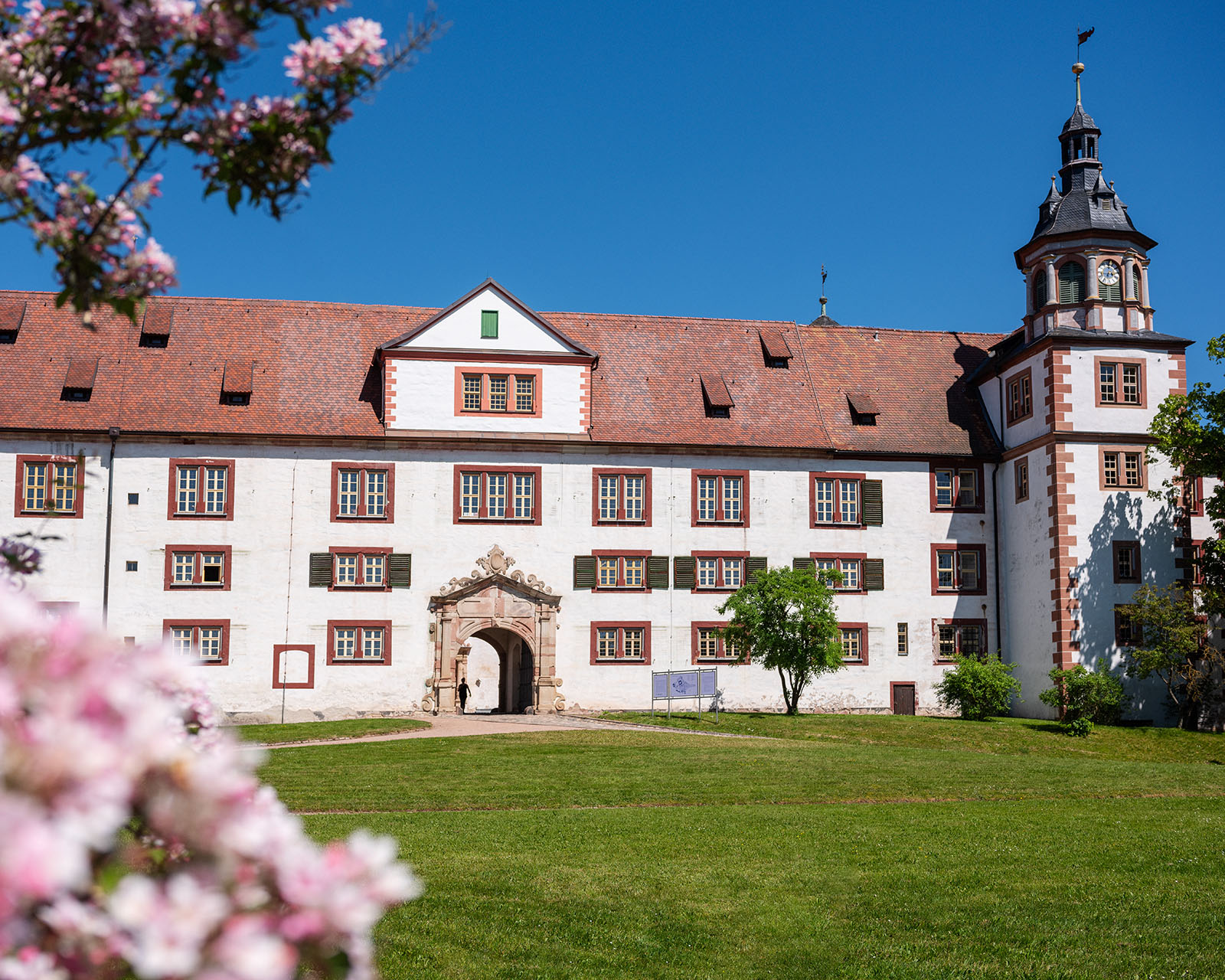
In the time of the Reformation, Schmalkalden was one of the hottest political focal points. The eyes of both the Emperor and the Pope were on the town in the south-west of the Thuringian Forest. In the last week of December 1530, Protestant princes, nobles, and towns there formed the Schmalkaldic League, led by Philip I of Hesse and Elector Johann Friedrich I of Saxony. They agreed that only a common alliance of all Protestants could offer protection against the Emperor. The League met in Schmalkalden eight times. When participants looked up towards the Queste Mountain at that time, they still saw the decayed Wallrabsburg Palace of the Counts of Henneberg. After this noble line died out, their possessions around Schmalkalden fell to Landgrave Wilhelm IV of Hesse-Kassel. From 1585 onwards, he converted the palace into a secondary residence. Today, Wilhelmsburg Palace towers over Schmalkalden’s old town. Owing to its original room layout, magnificent wall paintings and stuccowork, and its grounds, Wilhelmsburg Palace is a jewel among Germany’s Renaissance palaces. With the consecration of the palace church on 23 May 1590, the palace was opened for use, although the interior fittings were not yet fully completed.
The Palace Chapel
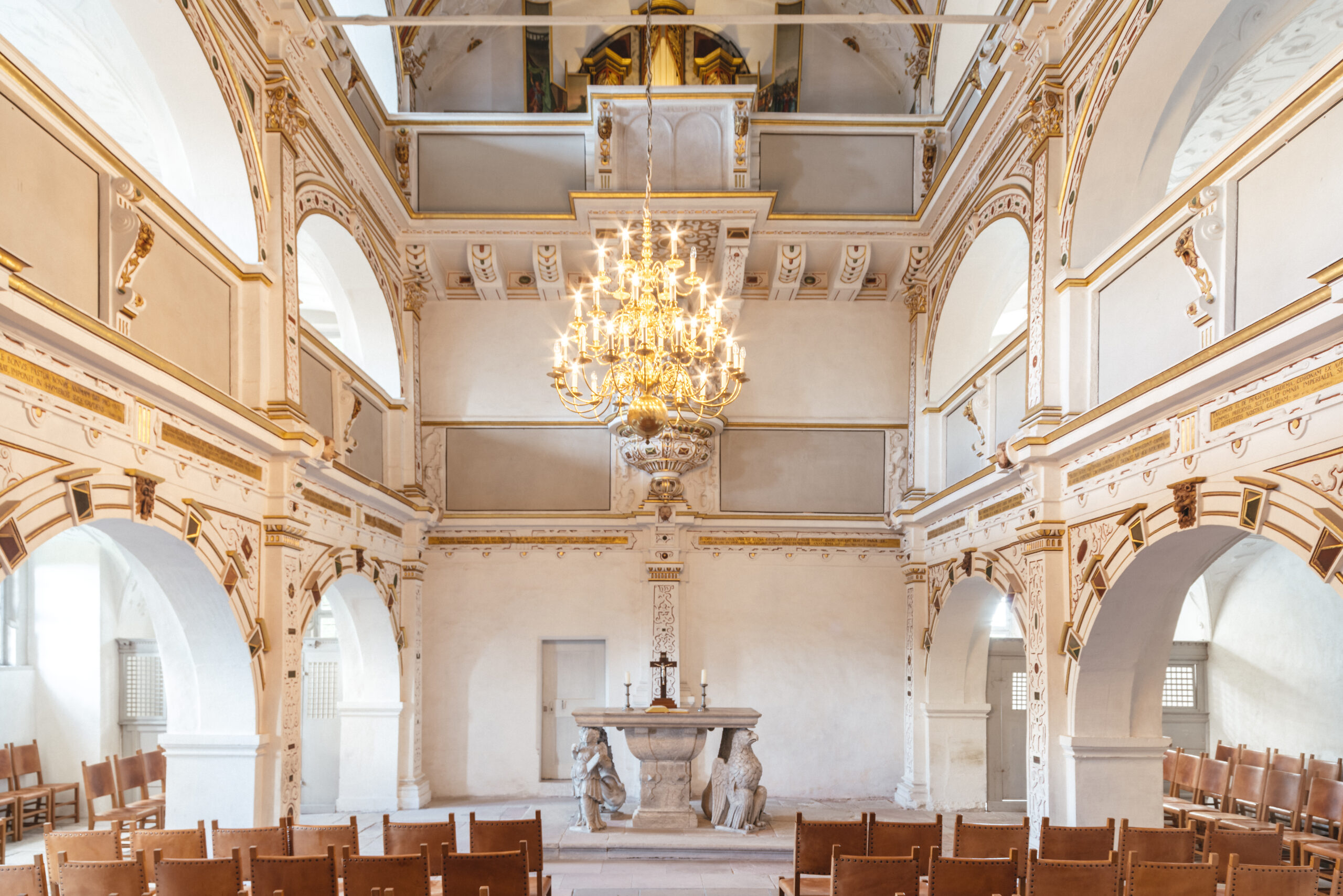
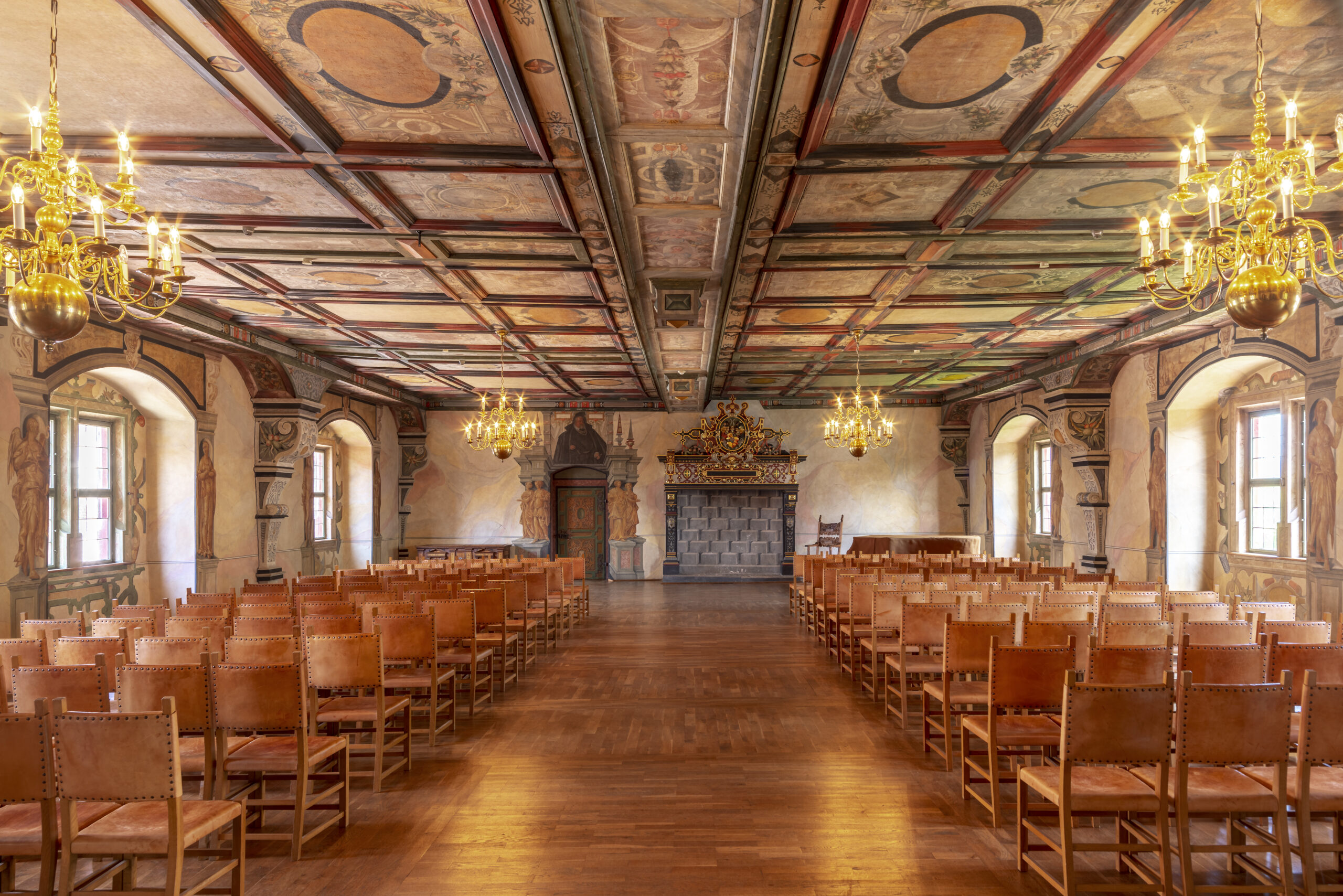
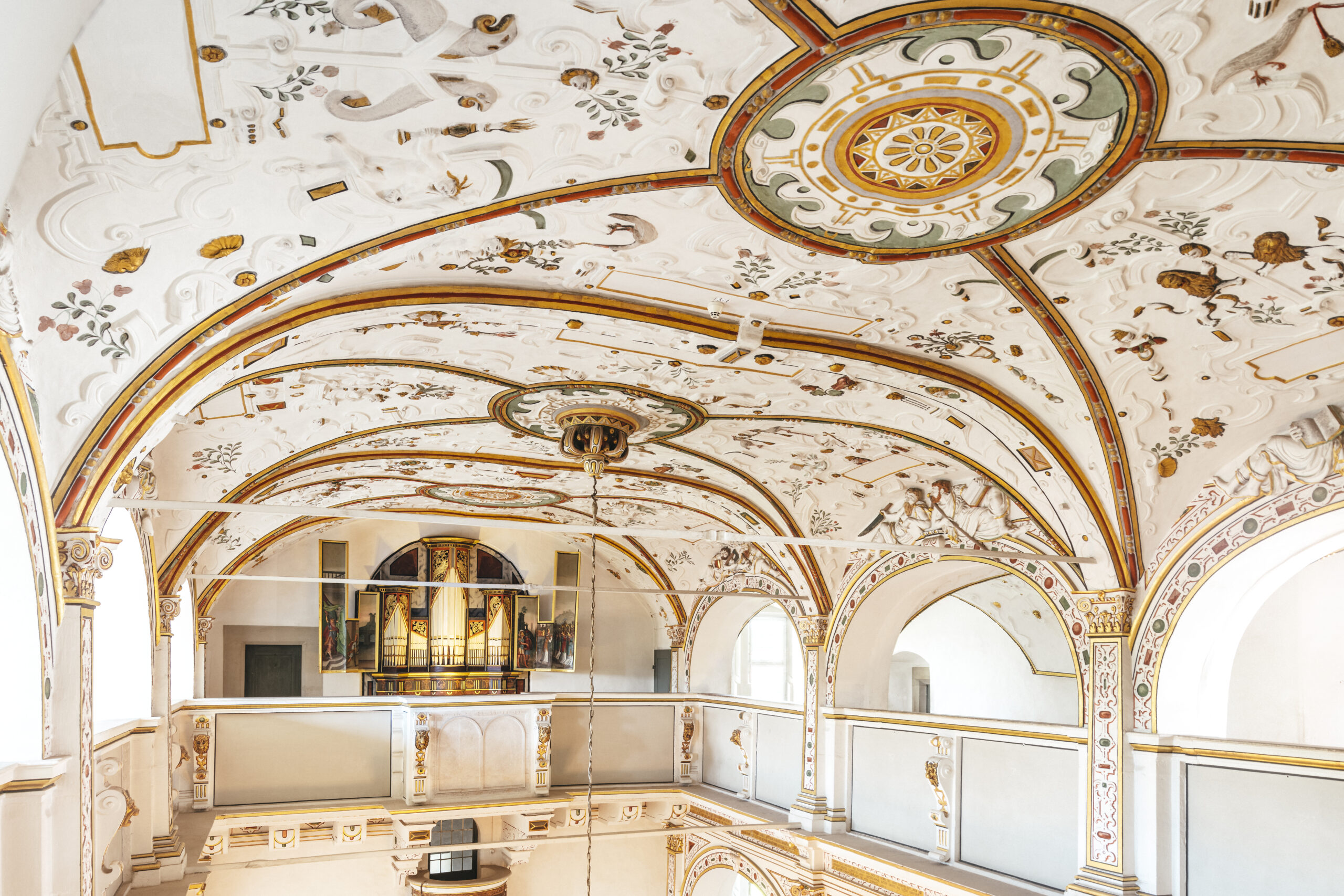
The Landgrave’s son later further extended the palace and completed the interior; he also laid out pleasure gardens and terraces and commissioned additional buildings around the palace. Particularly noteworthy is the palace chapel, modelled on the Torgau Palace church, which today ranks among the oldest and most beautiful Protestant churches in Germany. For the first time, in accordance with Protestant understanding, altar, pulpit, and organ were arranged on a vertical axis. A special highlight is the Renaissance organ. It is the oldest in Thuringia and is also among the oldest still playable wooden organs in Europe. Audiences can enjoy its sound at numerous concerts. The throne room, the restored banqueting hall, also called the Palace’s Great Hall, as well as the Lord’s Kitchen are well worth seeing. The banqueting hall is one of the most representative state halls of the late 16th century. The palace also houses a replica of the vaulted cellar from the “Hessian House”. The house on the Neumarkt served as the administrative seat of the Hessian landgraves. At the end of the 19th century, Romanesque wall paintings with scenes from Hartmann von Aue’s Iwein epic were discovered in the cellar. For conservation reasons they are not open to the public. So that visitors can see them, a replica was produced in Wilhelmsburg Palace.
Terrace Garden
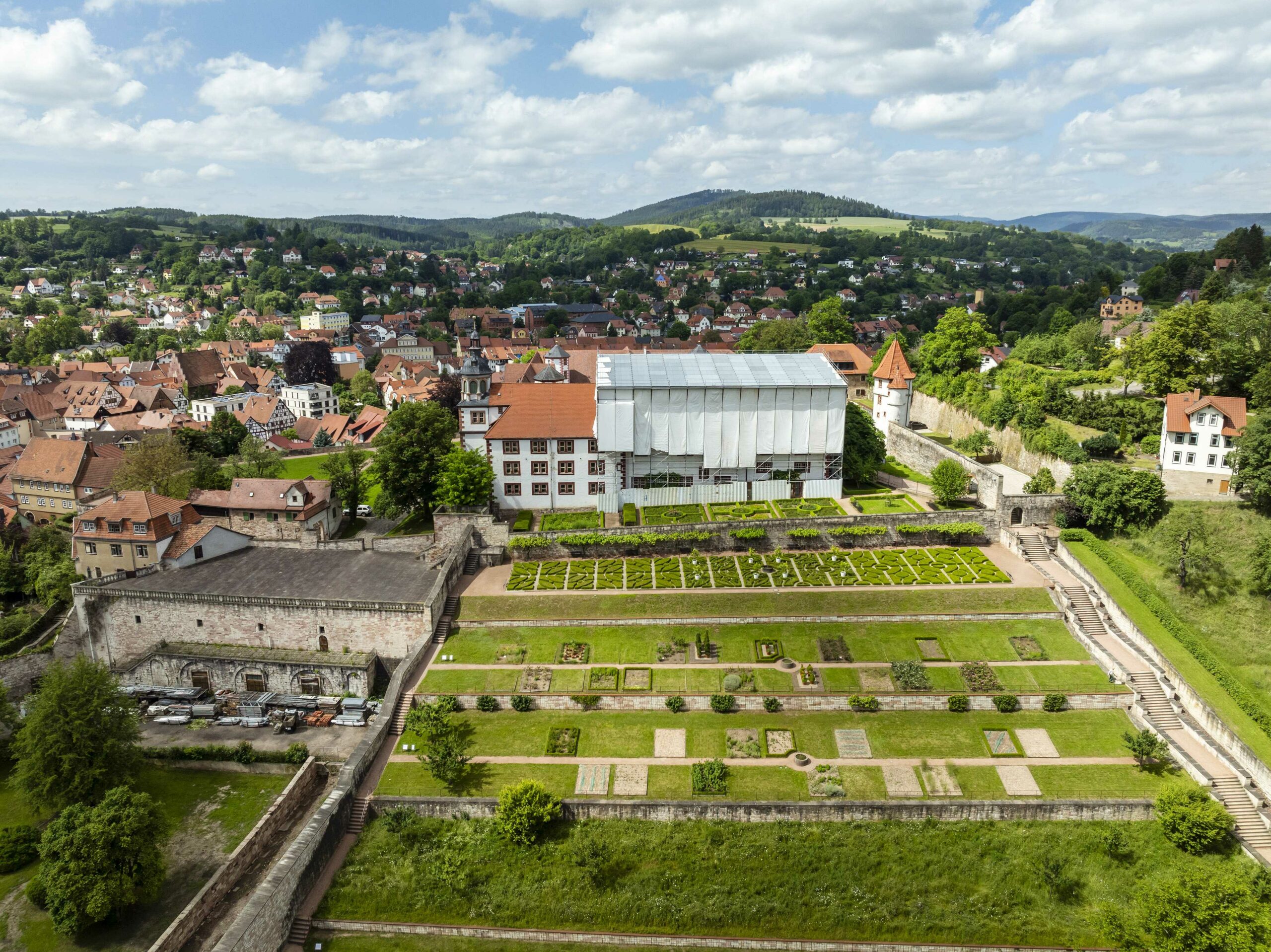
From 1602, under Landgrave Moritz of Hesse‑Kassel, an impressive terrace garden was created to the south of Wilhelmsburg Palace. Stylistically, the complex is still strongly influenced by the Renaissance. The lateral boundary walls and the retaining walls of the garden terraces, along with a waterworks installed in 1687 – of which fragments remain – merge it into an artistic unity with the palace building. The trapezoidal ground plan and the sloping terraces create a special perspectival effect within the garden.
After largely abandoning its character as a pleasure garden in the 18th century, the Wilhelmsburg Palace gardens were used as allotments. For the 2015 State Garden Show in Schmalkalden, the garden complex was restored. Following the construction of new retaining walls, the four garden terraces were redesigned. The concept draws on the garden’s history: a boxwood parterre presents the design principles of its period of origin, based on a plan from 1672. Other terraces showcase ornamental and useful plants typical of the 17th century. The site is an important and early example of the relatively rare terrace gardens in Germany.